


DATE: 24 May - 7 June, 2026
SURFACE: Clay
TOTAL FINANCIAL COMMITMENT: €61,723,000
FIELD SIZE: 128
2025 CHAMPION: Coco Gauff
Seeds and Draw
TBD
The French Open
The French Open, officially known as Roland-Garros, is the second Grand Slam of the tennis season and the sport’s ultimate test on clay. Staged annually in late May and early June, it is the only major played on red clay - a surface that demands patience, endurance, and tactical intelligence unlike any other.

Ank Kumar, CC BY-SA 4.0 <https://creativecommons.org/licenses/by-sa/4.0>, via Wikimedia Commons
Held at the historic Stade Roland Garros, the tournament blends tradition with modern innovation. Its main show court, Court Philippe-Chatrier, now features a retractable roof and state of the art facilities, ensuring world-class conditions while preserving the event’s timeless character. Other iconic courts, such as Court Suzanne-Lenglen and Court Simonne-Mathieu are nestled within botanical gardens and contribute to the tournament’s distinctive atmosphere.
Roland-Garros has produced some of the most demanding and dramatic matches in tennis history. The slow clay surface extends rallies, neutralises raw power, and rewards resilience and mental fortitude. Lifting the Coupe des Mousquetaires or the Coupe Suzanne-Lenglen is widely regarded as one of the sport’s greatest achievements.
Beyond the competition, the tournament carries a deep sense of heritage. Named after French aviator Roland Garros, the event combines sporting excellence with Parisian elegance, drawing fans from across the globe to witness the culmination of the clay-court season.
Paris
Paris is a city that needs little introduction. Renowned for its art, architecture, cuisine, and intellectual history, the French capital stands as one of the world’s great cultural centres. Set along the River Seine, its grand boulevards and historic monuments create a backdrop that feels both cinematic and deeply rooted in history.
From the Eiffel Tower and Notre-Dame Cathedral to the Louvre and Montmartre, Paris is layered with centuries of artistic and political significance. The city’s café culture, elegant parks such as the Jardin du Luxembourg, and vibrant neighbourhoods give it a rhythm that feels both refined and alive.
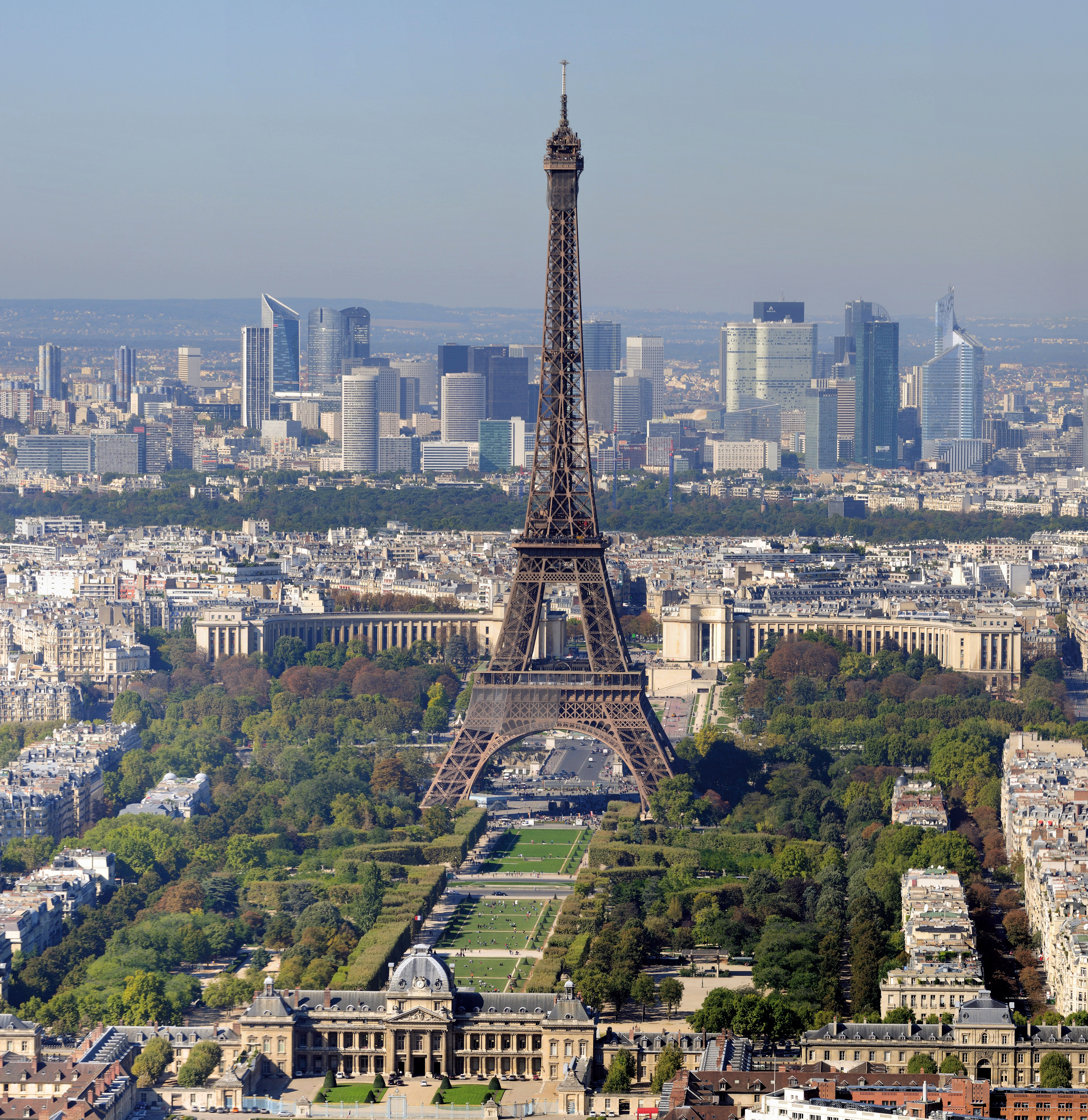
Wladyslaw (Taxiarchos228), CC BY 3.0 <https://creativecommons.org/licenses/by/3.0>, via Wikimedia Commons

Sanchezn, CC BY-SA 3.0 <https://creativecommons.org/licenses/by-sa/3.0>, via Wikimedia Commons

Benh LIEU SONG, CC BY-SA 3.0 <https://creativecommons.org/licenses/by-sa/3.0>, via Wikimedia Commons
In late spring, as chestnut trees bloom and terraces fill with conversation, Paris becomes the epicentre of the tennis world. The atmosphere during Roland-Garros blends sporting intensity with Parisian sophistication where clay-stained battles unfold just steps from one of the most beautiful cities on earth.
Historic yet modern, passionate yet poised, Paris provides a stage worthy of a Grand Slam — where tennis tradition meets timeless elegance.
Source: ChatGPT
Tourism
SURFACE: Clay
TOTAL FINANCIAL COMMITMENT: €61,723,000
FIELD SIZE: 128
2025 CHAMPION: Coco Gauff
Seeds and Draw
TBD
The French Open
The French Open, officially known as Roland-Garros, is the second Grand Slam of the tennis season and the sport’s ultimate test on clay. Staged annually in late May and early June, it is the only major played on red clay - a surface that demands patience, endurance, and tactical intelligence unlike any other.
Ank Kumar, CC BY-SA 4.0 <https://creativecommons.org/licenses/by-sa/4.0>, via Wikimedia Commons
Held at the historic Stade Roland Garros, the tournament blends tradition with modern innovation. Its main show court, Court Philippe-Chatrier, now features a retractable roof and state of the art facilities, ensuring world-class conditions while preserving the event’s timeless character. Other iconic courts, such as Court Suzanne-Lenglen and Court Simonne-Mathieu are nestled within botanical gardens and contribute to the tournament’s distinctive atmosphere.
Roland-Garros has produced some of the most demanding and dramatic matches in tennis history. The slow clay surface extends rallies, neutralises raw power, and rewards resilience and mental fortitude. Lifting the Coupe des Mousquetaires or the Coupe Suzanne-Lenglen is widely regarded as one of the sport’s greatest achievements.
Beyond the competition, the tournament carries a deep sense of heritage. Named after French aviator Roland Garros, the event combines sporting excellence with Parisian elegance, drawing fans from across the globe to witness the culmination of the clay-court season.
Paris
Paris is a city that needs little introduction. Renowned for its art, architecture, cuisine, and intellectual history, the French capital stands as one of the world’s great cultural centres. Set along the River Seine, its grand boulevards and historic monuments create a backdrop that feels both cinematic and deeply rooted in history.
From the Eiffel Tower and Notre-Dame Cathedral to the Louvre and Montmartre, Paris is layered with centuries of artistic and political significance. The city’s café culture, elegant parks such as the Jardin du Luxembourg, and vibrant neighbourhoods give it a rhythm that feels both refined and alive.
Wladyslaw (Taxiarchos228), CC BY 3.0 <https://creativecommons.org/licenses/by/3.0>, via Wikimedia Commons
Sanchezn, CC BY-SA 3.0 <https://creativecommons.org/licenses/by-sa/3.0>, via Wikimedia Commons
Benh LIEU SONG, CC BY-SA 3.0 <https://creativecommons.org/licenses/by-sa/3.0>, via Wikimedia Commons
In late spring, as chestnut trees bloom and terraces fill with conversation, Paris becomes the epicentre of the tennis world. The atmosphere during Roland-Garros blends sporting intensity with Parisian sophistication where clay-stained battles unfold just steps from one of the most beautiful cities on earth.
Historic yet modern, passionate yet poised, Paris provides a stage worthy of a Grand Slam — where tennis tradition meets timeless elegance.
Source: ChatGPT
Tourism


