


DATE: 23 February - 1 March, 2026
SURFACE: Clay
FINANCIAL COMMITMNET: $700,045
SINGLES DRAW SIZE: 28
Official Website: DEFENDING CHAMPION: Laslo Djere
Draw and Seeds
1 Cerundolo, Francisco
2 Darderi, Luciano
3 Baez, Sebastian
4 Ugo Carabelli, Camilo
5 Etcheverry, Tomas Martin
6 Berrettini, Matteo
7 Comesana, Francisco
8 Tabilo, Alejandro

The Tournament
The Santiago Open marks the ATP Tour’s return to Chilean clay and continues the country’s rich tennis tradition. Reintroduced to the calendar in 2020 after a six-year absence, the ATP 250 event is staged at the Club Deportivo Universidad Catolica, where the intimate centre court setting amplifies the passion of the local crowd.
Chile has long embraced clay-court tennis, and the tournament’s history reflects that connection. The event has previously been held in both Santiago and Viña del Mar, producing a strong line of homegrown champions. Fernando Gonzalez dominated the event in the 2000s, while more recent Chilean winners such as Cristian Garin and Nicolas Jarry have reignited local enthusiasm.
Played on outdoor clay against the dramatic backdrop of the Andes, conditions in Santiago reward physical resilience, heavy topspin, and tactical patience. The altitude and dry air can quicken the court slightly compared to sea-level clay events, adding another layer of intrigue for players adjusting during the South American swing.
The 2026 edition, running from 23 February to 1 March, continues Chile’s proud presence on the ATP calendar — a week where national pride, clay-court craft, and high-energy support combine to close out the Golden Swing in fitting style.
Santiago
Set in a broad valley beneath the snow-capped Andes, Santiago is one of South America’s most dramatically situated capitals. Founded in 1541 by Spanish conquistador Pedro de Valdivia, the city blends colonial history with modern high-rise development, creating a skyline framed by mountains in almost every direction.
Home to more than seven million people in its greater metropolitan area, Santiago is Chile’s political, cultural, and economic heart. The historic centre around Plaza de Armas reflects its Spanish heritage, while districts like Providencia and Las Condes showcase the city’s contemporary, cosmopolitan side. Museums, theatres, street art, and a thriving café culture give Santiago a vibrant urban energy.
Geographically, Santiago’s setting defines much of its character. The Andes dominate the eastern horizon, offering ski resorts in winter and hiking trails year-round. To the west, the Pacific coast is just over an hour away. This proximity to mountains and sea has shaped a city that feels both outdoorsy and urban at once.
Santiago is also a sporting city, passionate about football and increasingly proud of its place on the international tennis calendar. When tournament week arrives, the backdrop of the Andes and the buzz of a late-summer crowd give the event a distinctly Chilean identity — competitive, emotional, and fiercely proud.
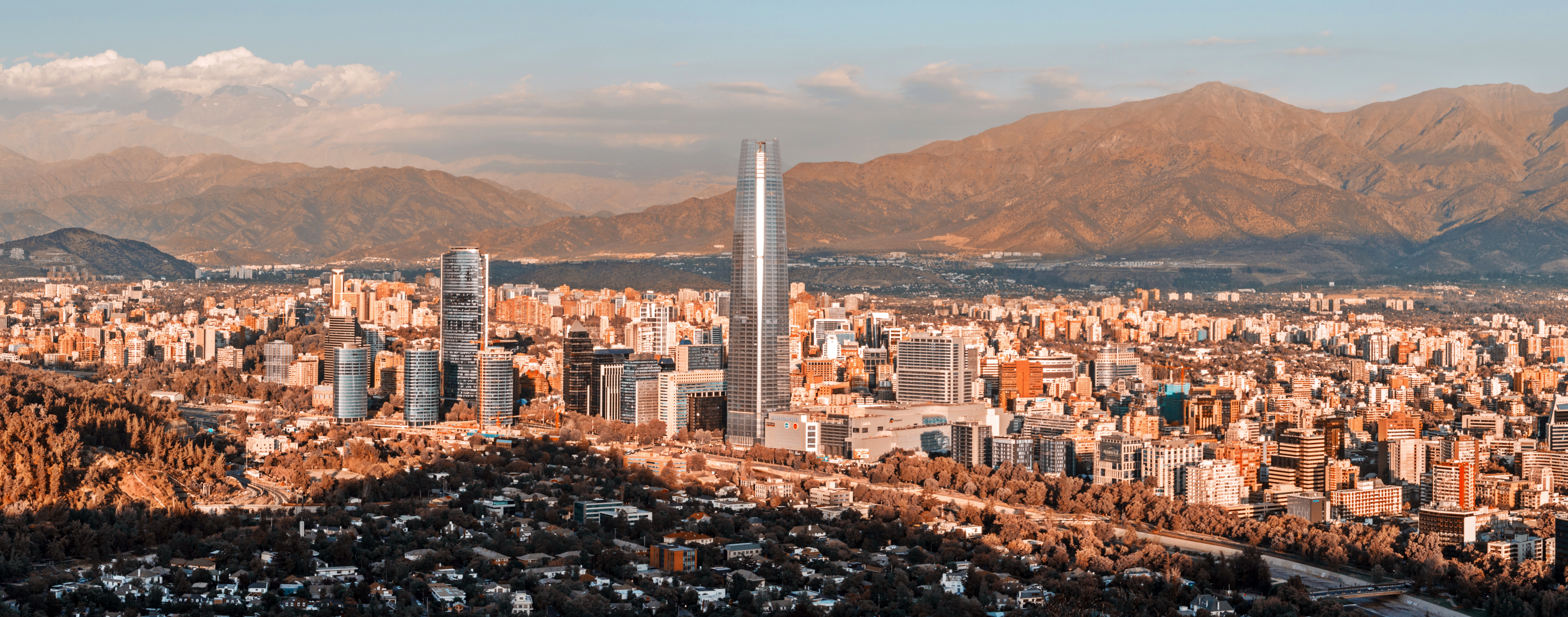
Omnespsx (D•ES), CC BY-SA 4.0 <https://creativecommons.org/licenses/by-sa/4.0>, via Wikimedia Commons

Bernard Gagnon, CC BY-SA 4.0 <https://creativecommons.org/licenses/by-sa/4.0>, via Wikimedia Commons
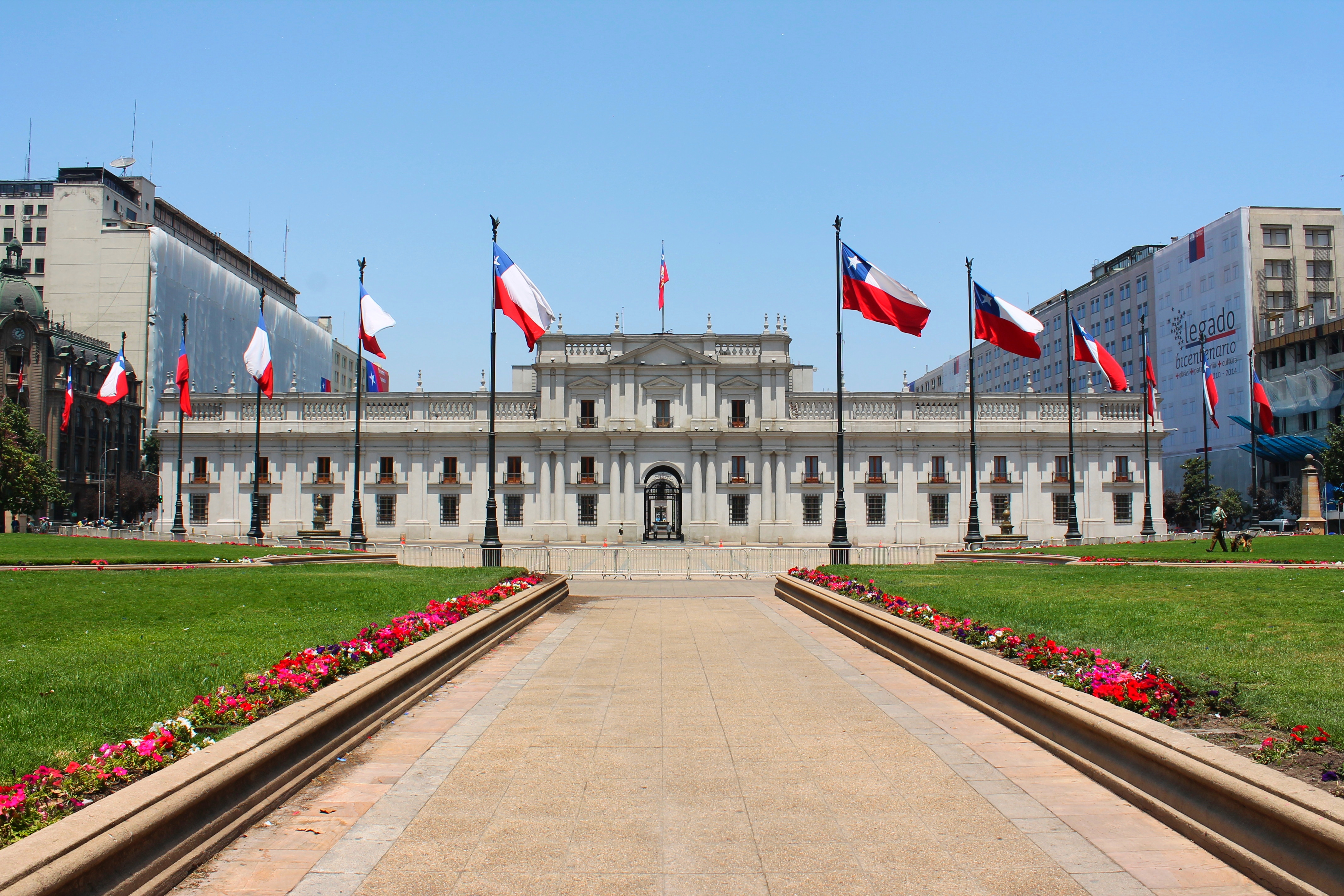
Miguel hernandez, CC BY-SA 2.0 <https://creativecommons.org/licenses/by-sa/2.0>, via Wikimedia Commons
Tournament and City write-up via ChatGPT
Tourism
SURFACE: Clay
FINANCIAL COMMITMNET: $700,045
SINGLES DRAW SIZE: 28
Official Website: DEFENDING CHAMPION: Laslo Djere
Draw and Seeds
1 Cerundolo, Francisco
2 Darderi, Luciano
3 Baez, Sebastian
4 Ugo Carabelli, Camilo
5 Etcheverry, Tomas Martin
6 Berrettini, Matteo
7 Comesana, Francisco
8 Tabilo, Alejandro
The Tournament
The Santiago Open marks the ATP Tour’s return to Chilean clay and continues the country’s rich tennis tradition. Reintroduced to the calendar in 2020 after a six-year absence, the ATP 250 event is staged at the Club Deportivo Universidad Catolica, where the intimate centre court setting amplifies the passion of the local crowd.
Chile has long embraced clay-court tennis, and the tournament’s history reflects that connection. The event has previously been held in both Santiago and Viña del Mar, producing a strong line of homegrown champions. Fernando Gonzalez dominated the event in the 2000s, while more recent Chilean winners such as Cristian Garin and Nicolas Jarry have reignited local enthusiasm.
Played on outdoor clay against the dramatic backdrop of the Andes, conditions in Santiago reward physical resilience, heavy topspin, and tactical patience. The altitude and dry air can quicken the court slightly compared to sea-level clay events, adding another layer of intrigue for players adjusting during the South American swing.
The 2026 edition, running from 23 February to 1 March, continues Chile’s proud presence on the ATP calendar — a week where national pride, clay-court craft, and high-energy support combine to close out the Golden Swing in fitting style.
Santiago
Set in a broad valley beneath the snow-capped Andes, Santiago is one of South America’s most dramatically situated capitals. Founded in 1541 by Spanish conquistador Pedro de Valdivia, the city blends colonial history with modern high-rise development, creating a skyline framed by mountains in almost every direction.
Home to more than seven million people in its greater metropolitan area, Santiago is Chile’s political, cultural, and economic heart. The historic centre around Plaza de Armas reflects its Spanish heritage, while districts like Providencia and Las Condes showcase the city’s contemporary, cosmopolitan side. Museums, theatres, street art, and a thriving café culture give Santiago a vibrant urban energy.
Geographically, Santiago’s setting defines much of its character. The Andes dominate the eastern horizon, offering ski resorts in winter and hiking trails year-round. To the west, the Pacific coast is just over an hour away. This proximity to mountains and sea has shaped a city that feels both outdoorsy and urban at once.
Santiago is also a sporting city, passionate about football and increasingly proud of its place on the international tennis calendar. When tournament week arrives, the backdrop of the Andes and the buzz of a late-summer crowd give the event a distinctly Chilean identity — competitive, emotional, and fiercely proud.
Omnespsx (D•ES), CC BY-SA 4.0 <https://creativecommons.org/licenses/by-sa/4.0>, via Wikimedia Commons
Bernard Gagnon, CC BY-SA 4.0 <https://creativecommons.org/licenses/by-sa/4.0>, via Wikimedia Commons
Miguel hernandez, CC BY-SA 2.0 <https://creativecommons.org/licenses/by-sa/2.0>, via Wikimedia Commons
Tournament and City write-up via ChatGPT
Tourism
Last edited:


