Tag: tennis

  • Serena Williams Stunned in Paris by Garbine Muguruza

    Serena Williams Stunned in Paris by Garbine Muguruza

    Serena Williams

    Defending Champion and World Number One Serena Williams has been dumped out of the French Open in little over an hour by unheralded Spaniard Garbine Muguruza.

    Muguruza showed few nerves and dominated the match from start to finish en route to a 6-2, 6-2 victory. Williams appeared uncharacteristically flat and her game was littered with unforced errors.

    “I’m very happy,” stated Muguruza after the sensational upset. She will now meet Anna Schmiedlova, who defeated Serena’s sister Venus Williams just an hour earlier.

    [divider]

    Cover Photo: Marianne Bevis

  • Eugenie Bouchard Wins Title in Nuremberg

    Eugenie Bouchard Wins Title in Nuremberg

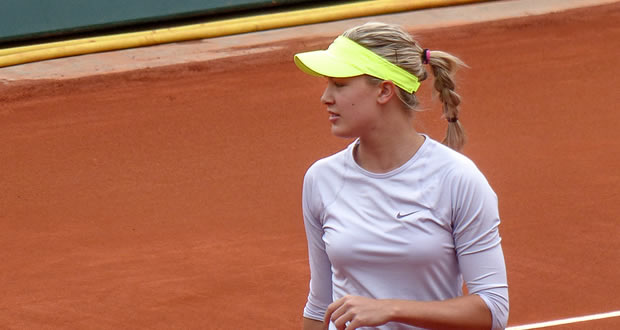
    Eugenie Bouchard

    Canadian starlet Eugenie Bouchard broke through to win her first WTA title with a 6-2, 4-6, 6-3 victory over Karolina Pliskova to secure the Nuremberg Cup.

    Bouchard looked comfortable after bagging the opening set, and seemed to be cruising at 4-2 in the second. She then began experiencing problems with her serve. Pliskova accepted the invitation to get back in the match and duly reeled off four straight games to take the second set and level proceedings. The streak continued with her adding another game to take an early lead in the third.

    The deciding set was a roller coaster ride with both players being broken on multiple occasions before Bouchard steadied the ship to prevail and take her maiden title.

    “This is kind of like a stepping stone for me. Winning a WTA title is of course a goal I’ve had, and I’m so happy to accomplish it,” stated a relieved Bouchard after the match.

    Her win secured the first WTA title for a Canadian woman since Aleksandra Wozniak, in 2008.

    She is now scheduled to take on Israel’s Shahar Peer in her opening match of the French Open at Roland Garros.

    [divider]

    Cover Photo by Yann Caradec (Creative Commons License)

  • Roger Federer Arrives in Italy for the Rome Masters

    Roger Federer Arrives in Italy for the Rome Masters

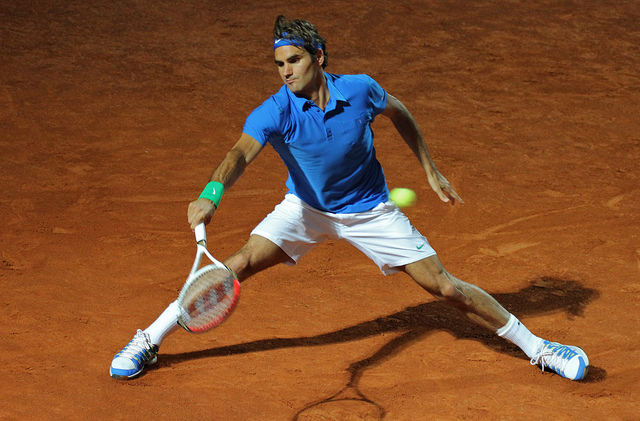
    Roger Federer on red clay - 01

    Roger Federer has confirmed his arrival in Italy via Twitter to the delight of his fans.

    The 17-time Major winner had withdrawn from the Madrid Masters to spend time with his family following the birth of twin sons Lenny and Leo.

    His agent Tony Godsick previously said the former world No. 1 would make a last minute decision to play the Internazionali BNL d’Italia. Following Federer’s arrival in Italy, this now looks almost certain. His scheduled opening match is a second round clash with Jeremy Chardy.

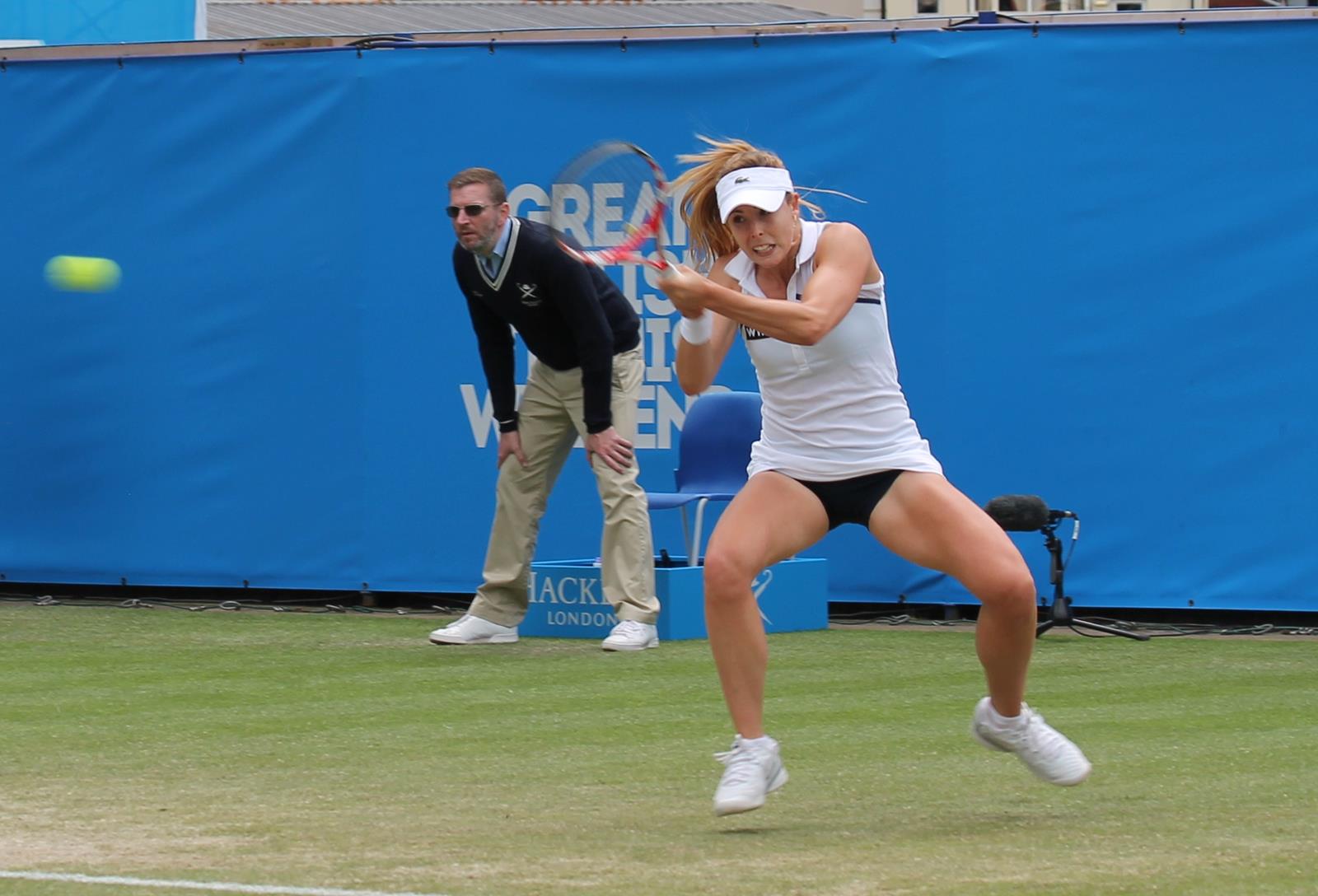
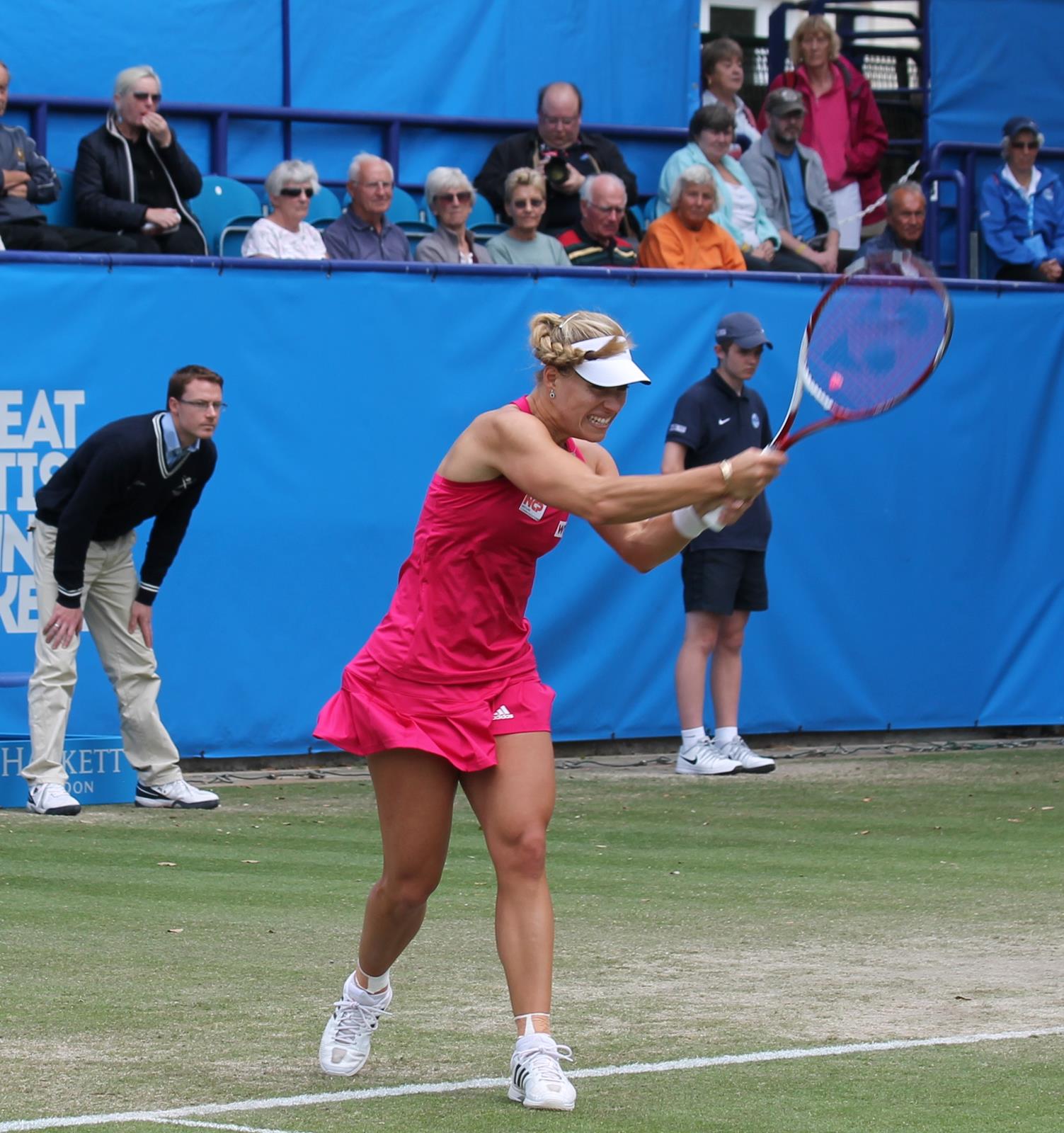
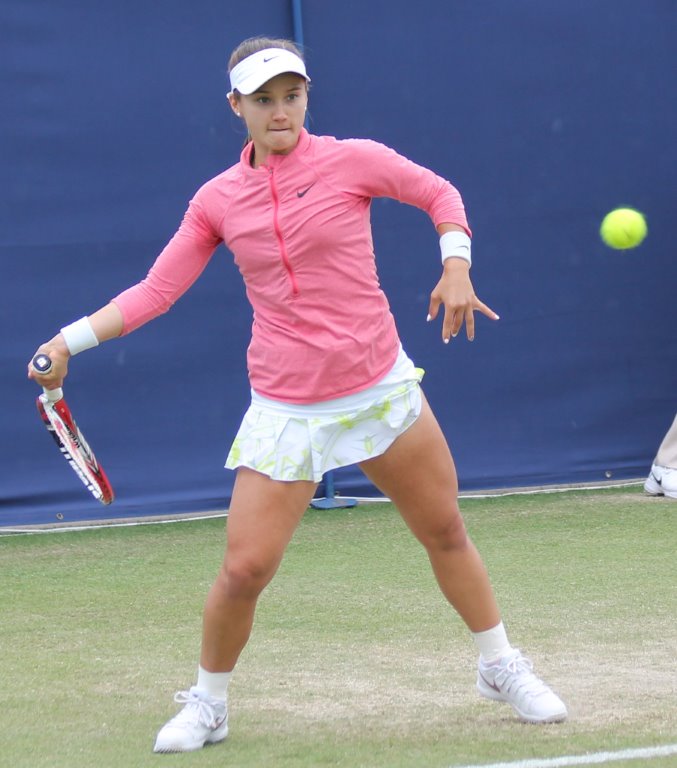
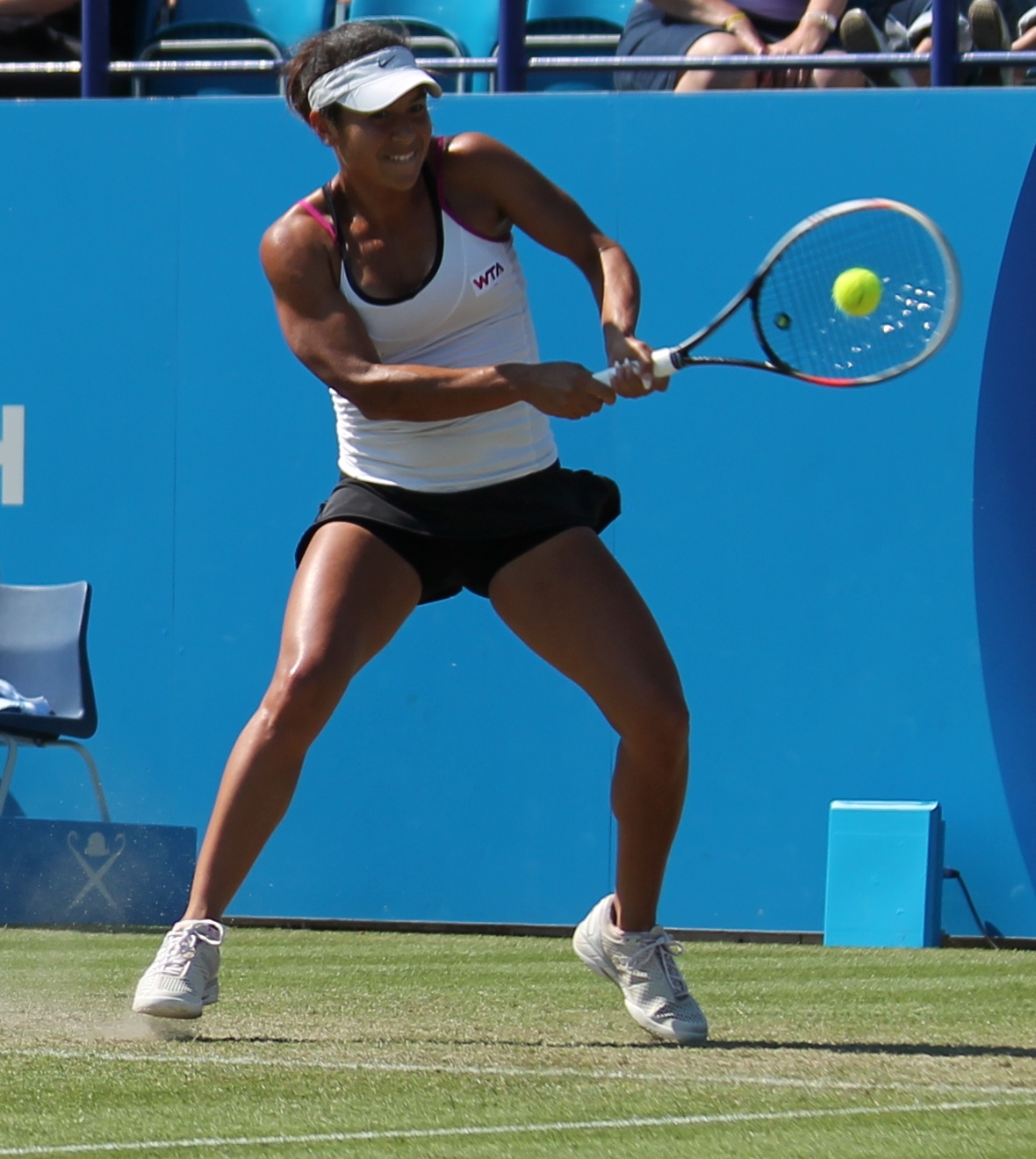
  • Aegon International, Eastbourne, UK, 2014

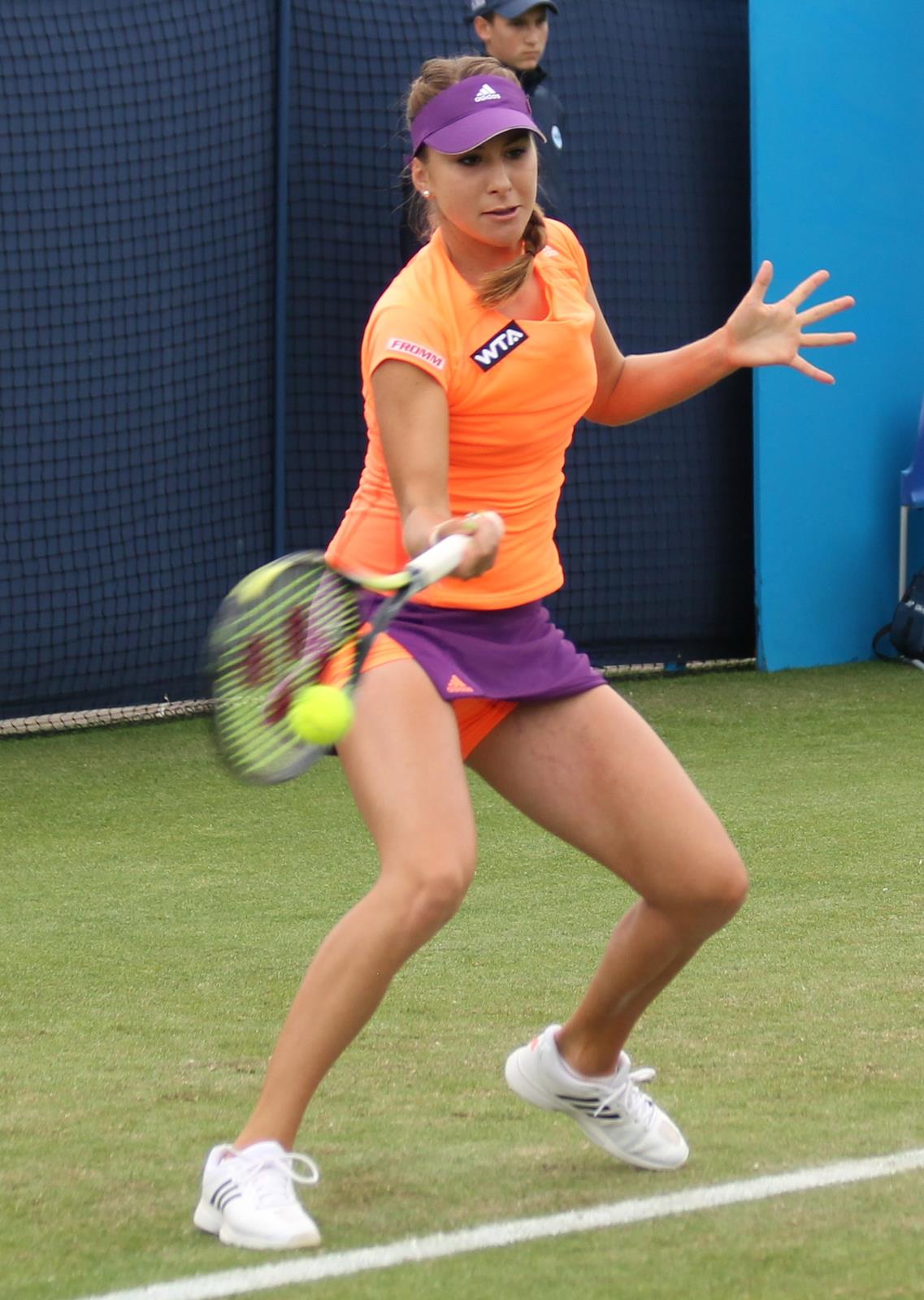
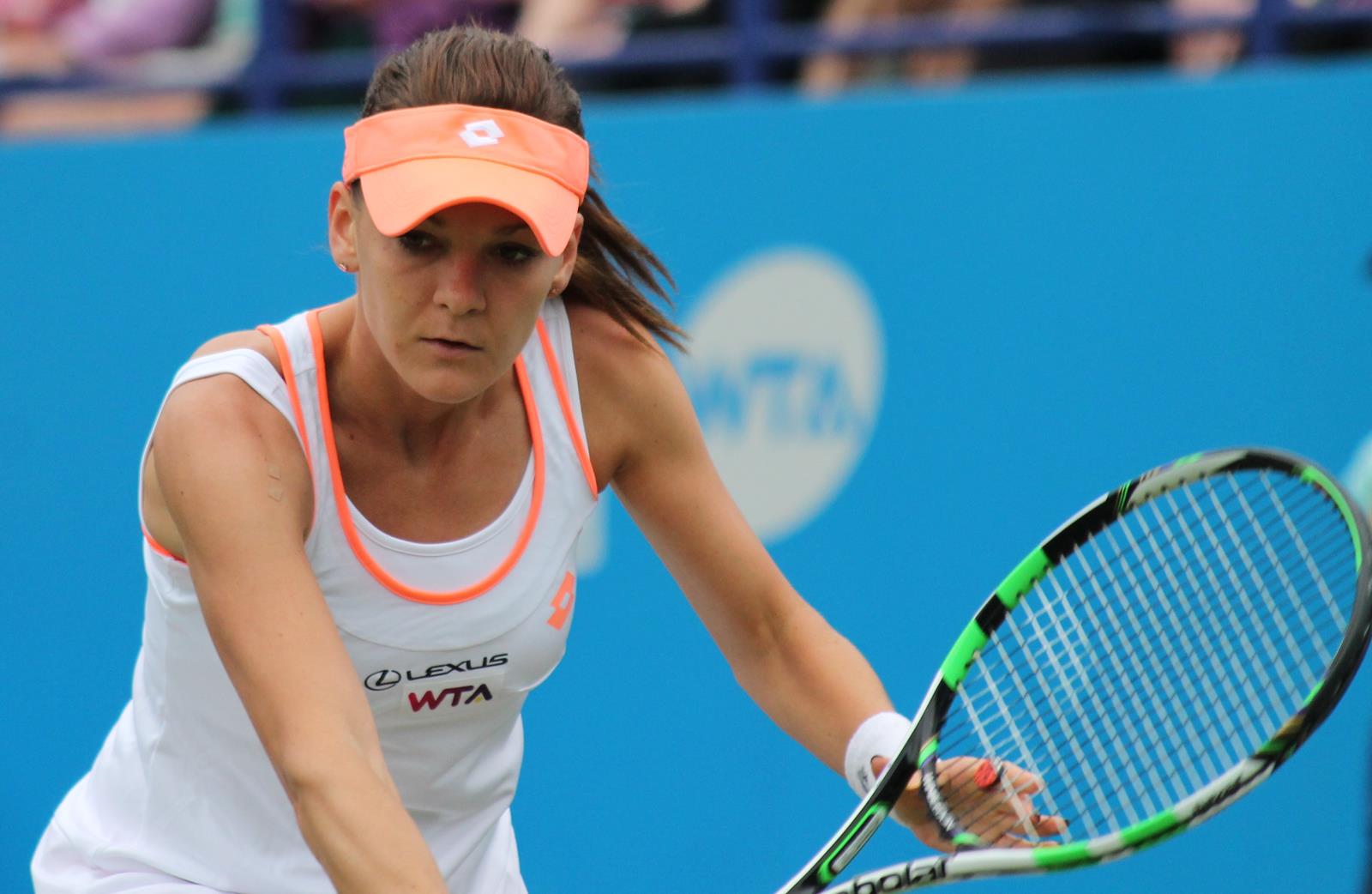
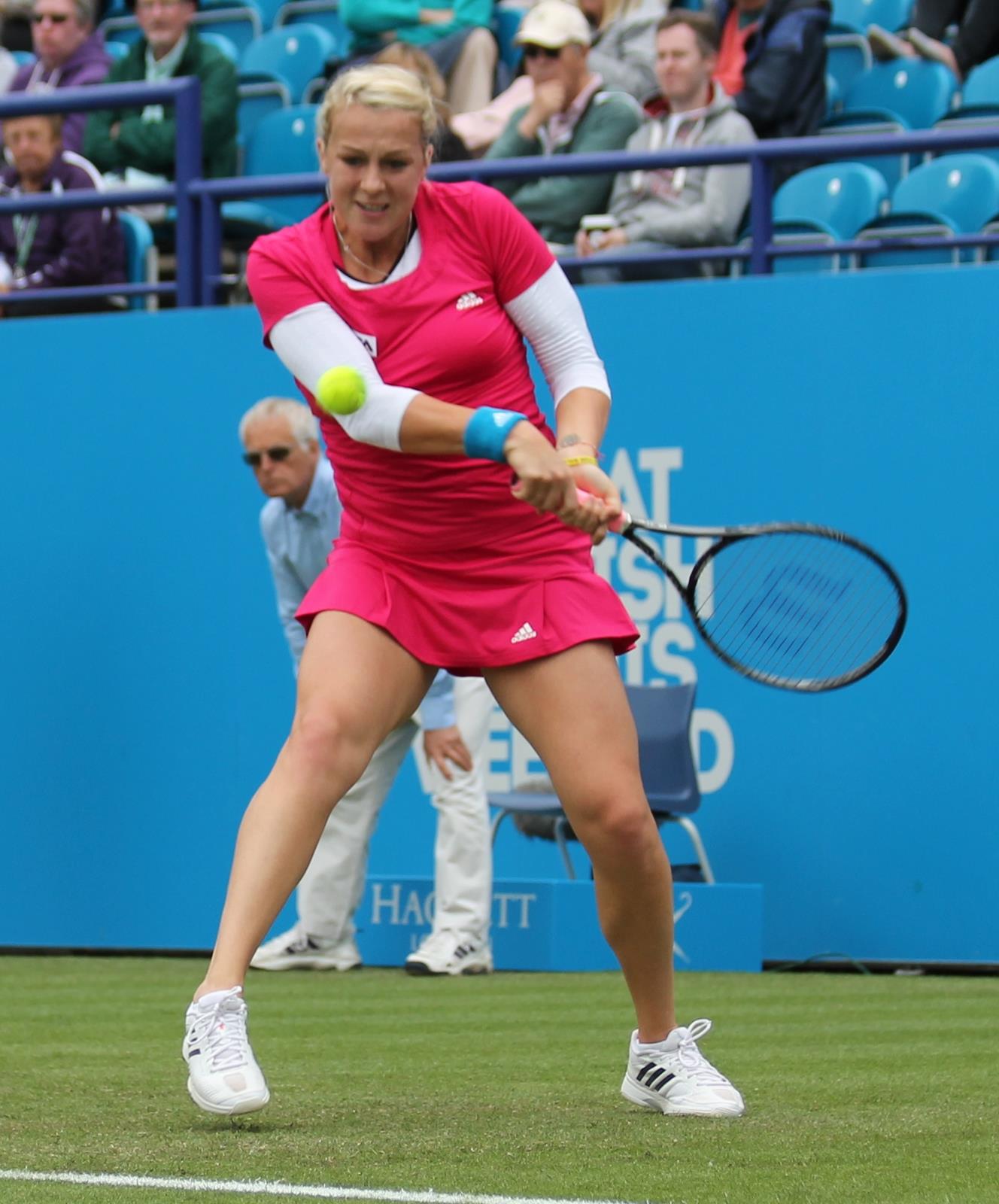
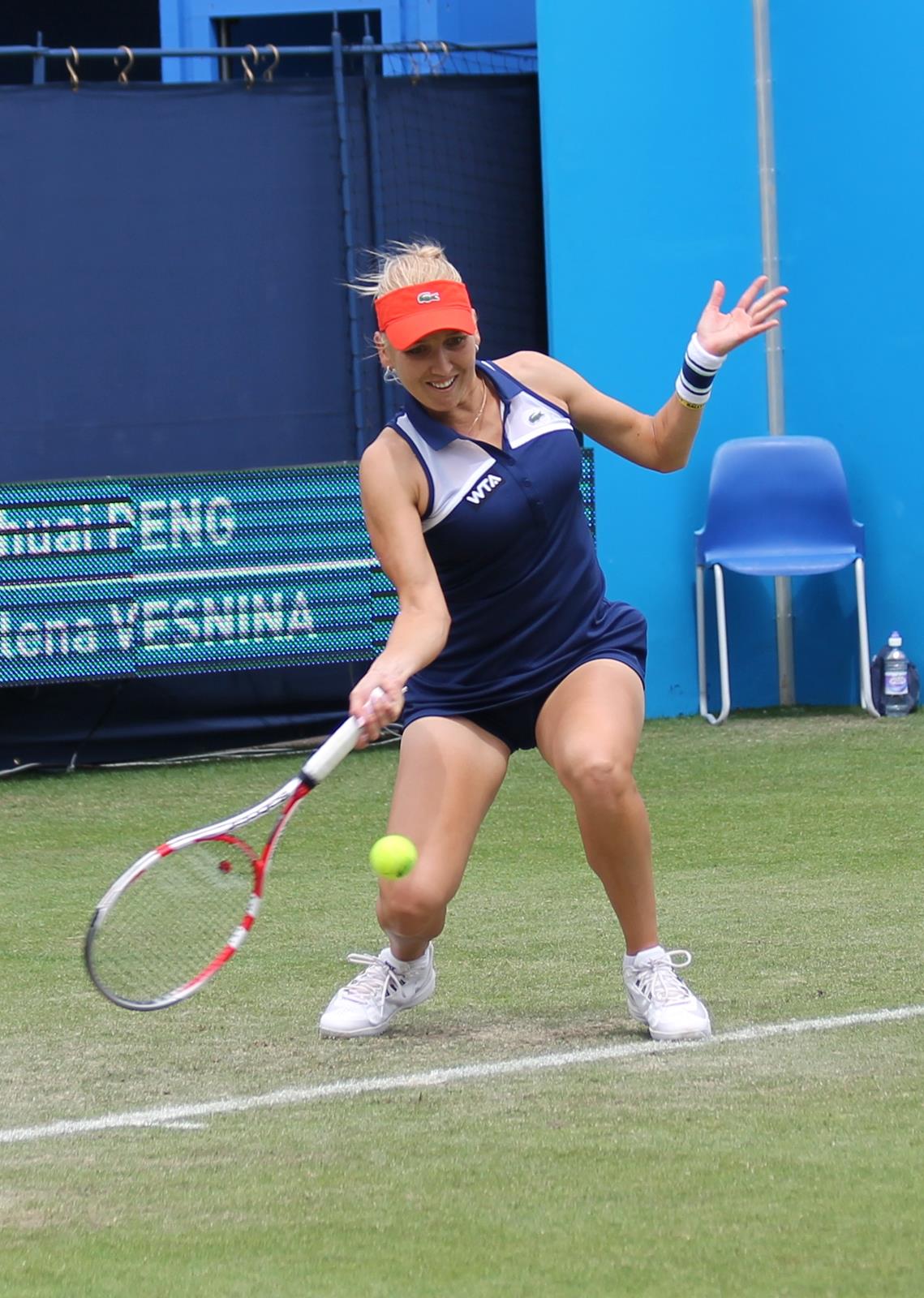
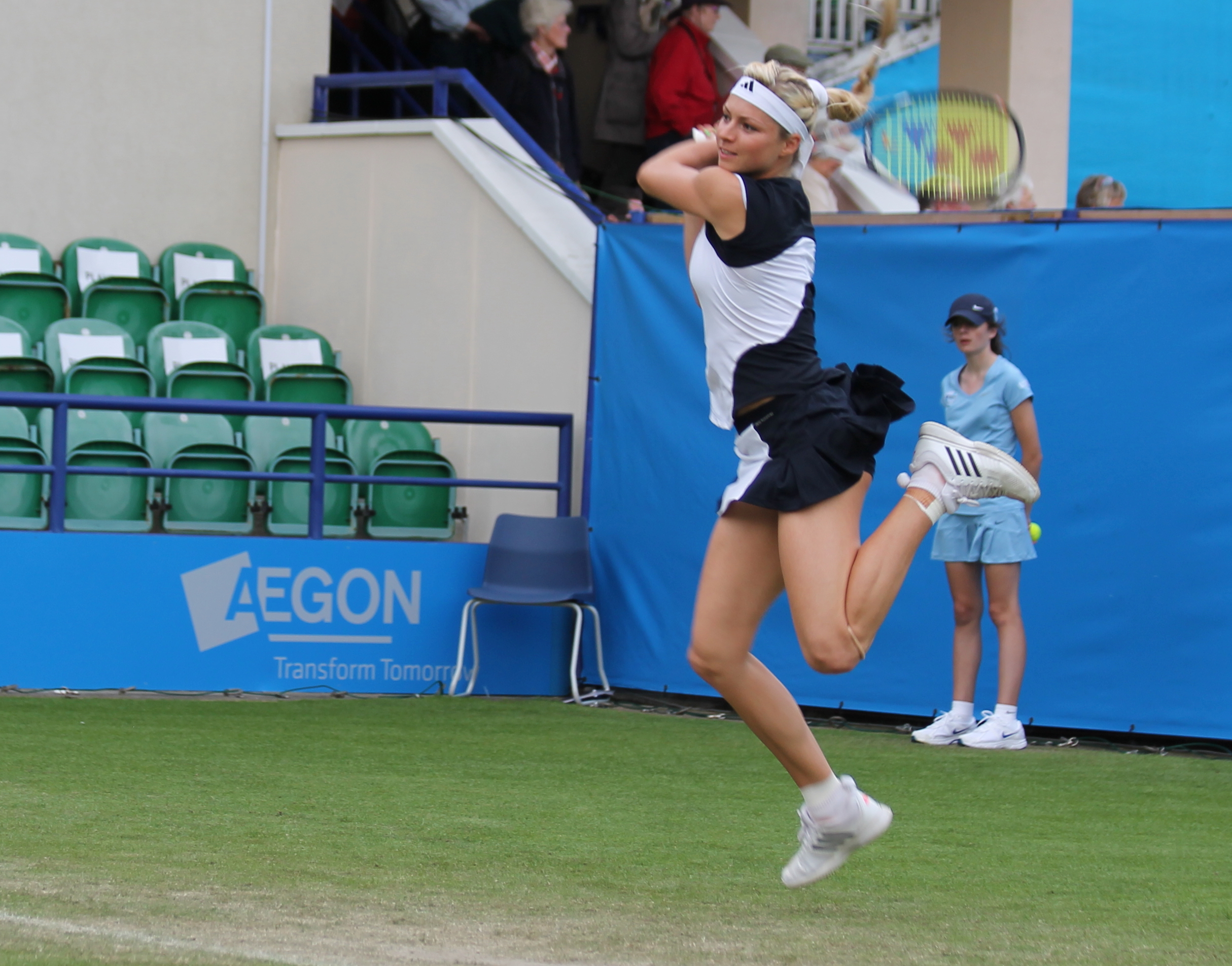
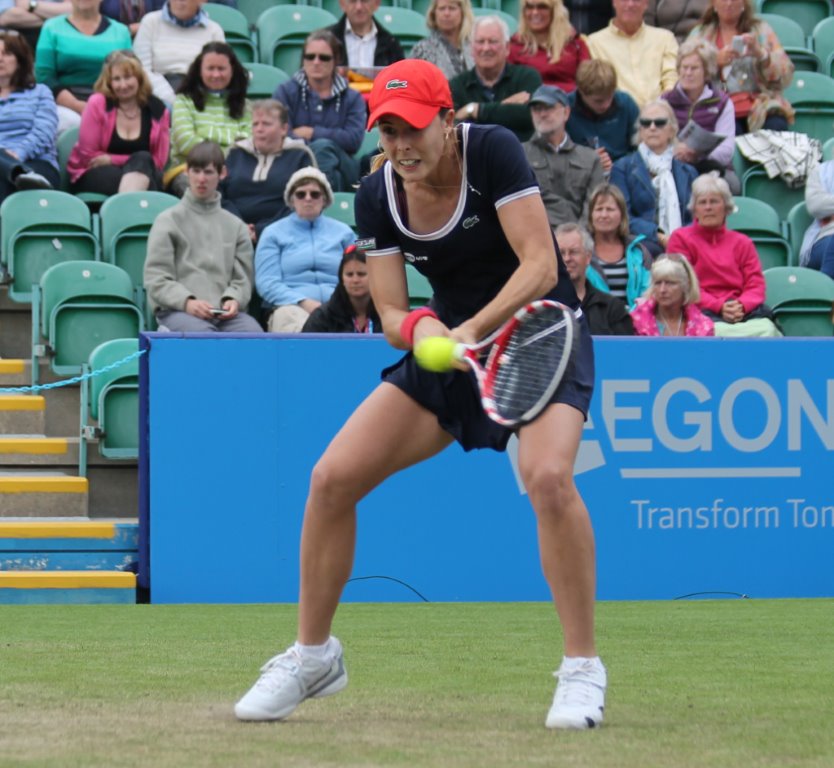
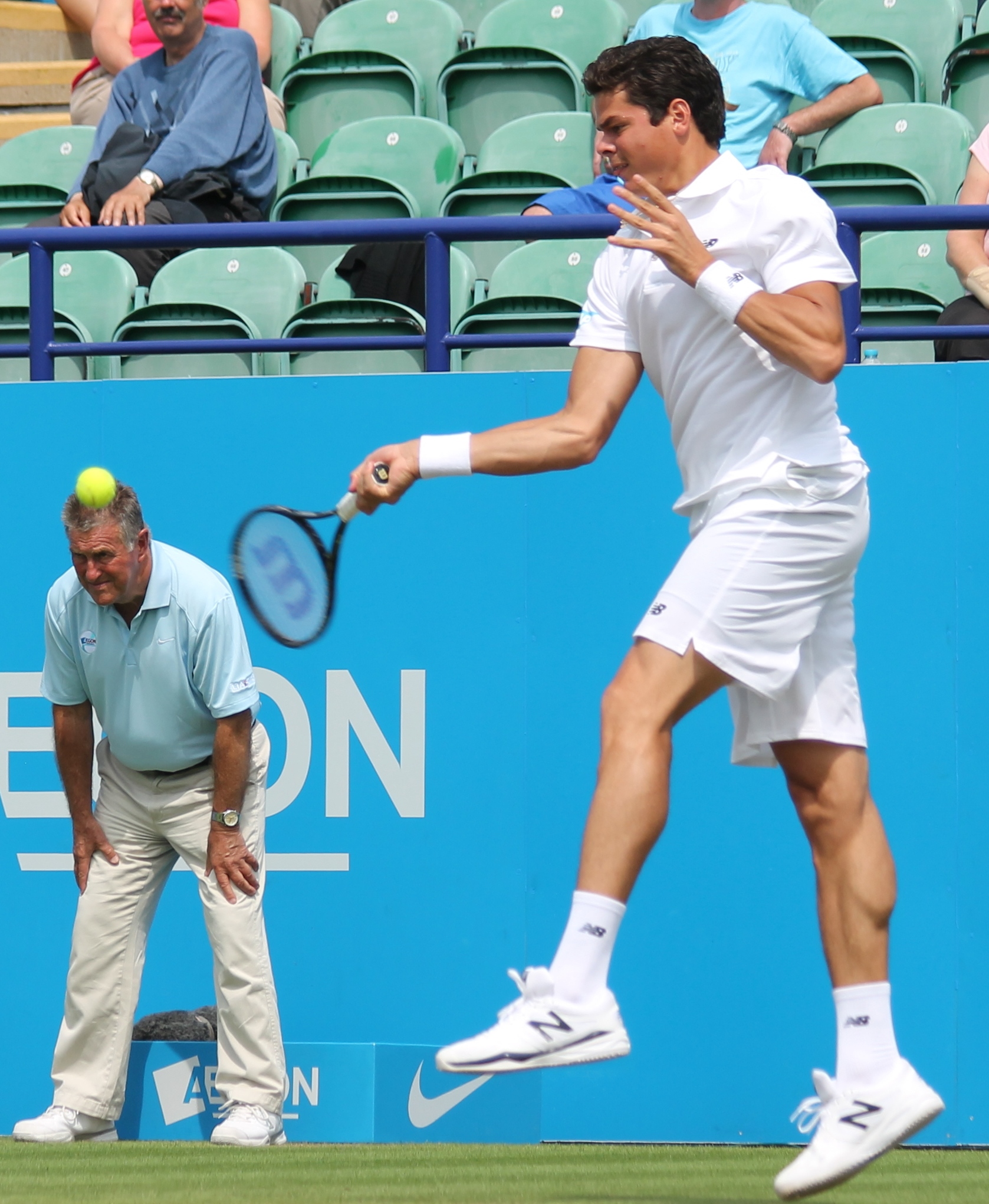
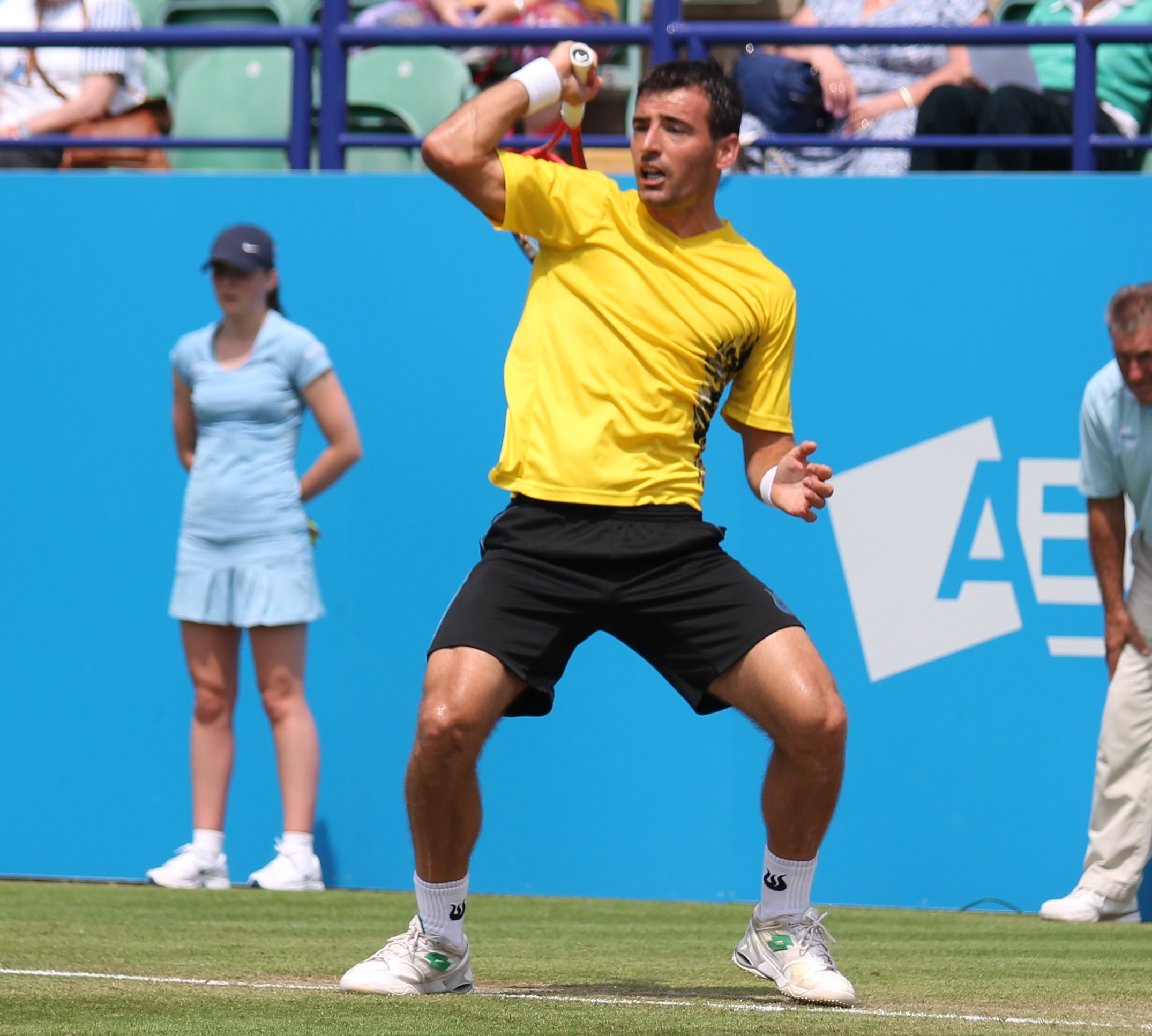
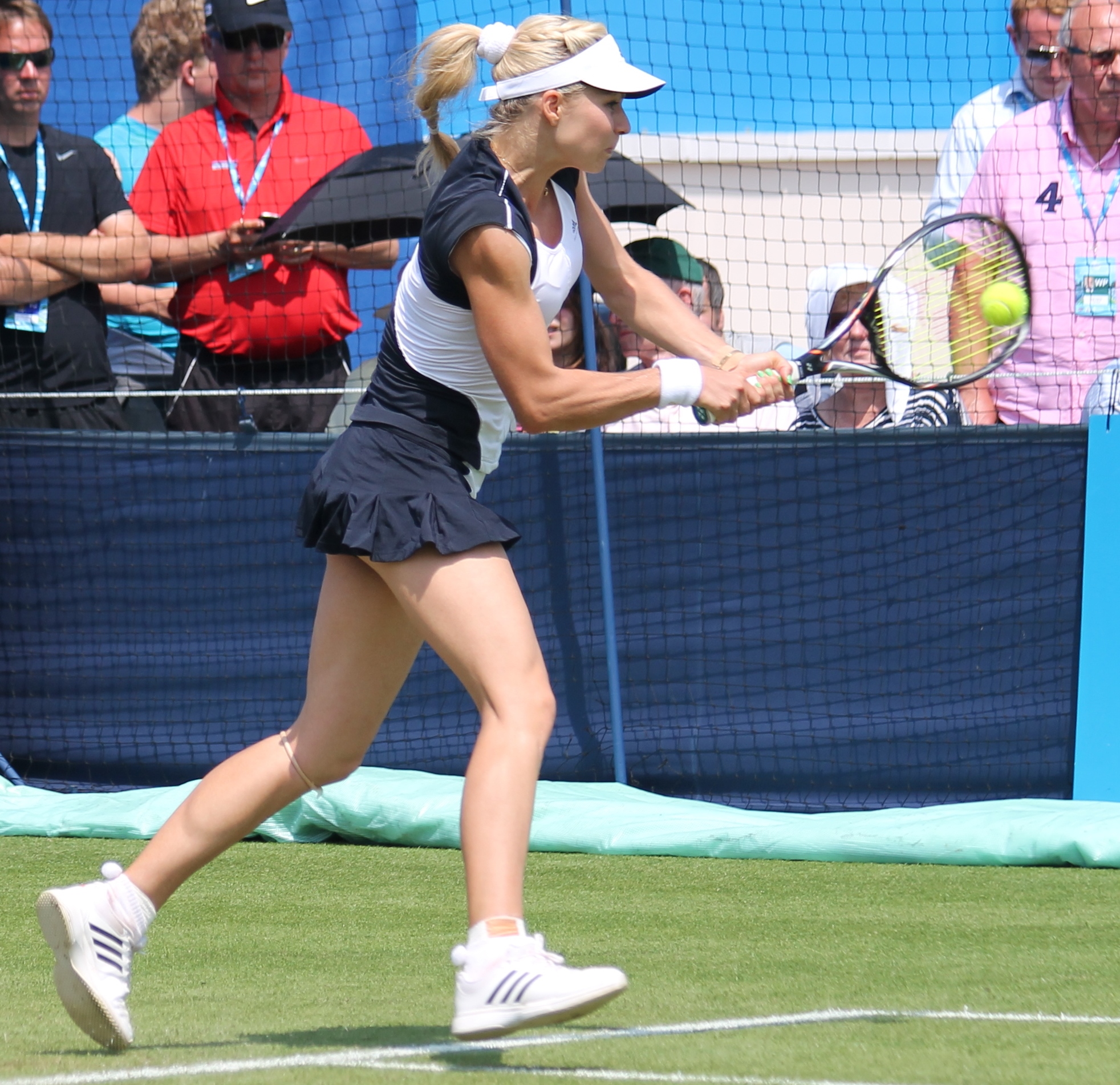
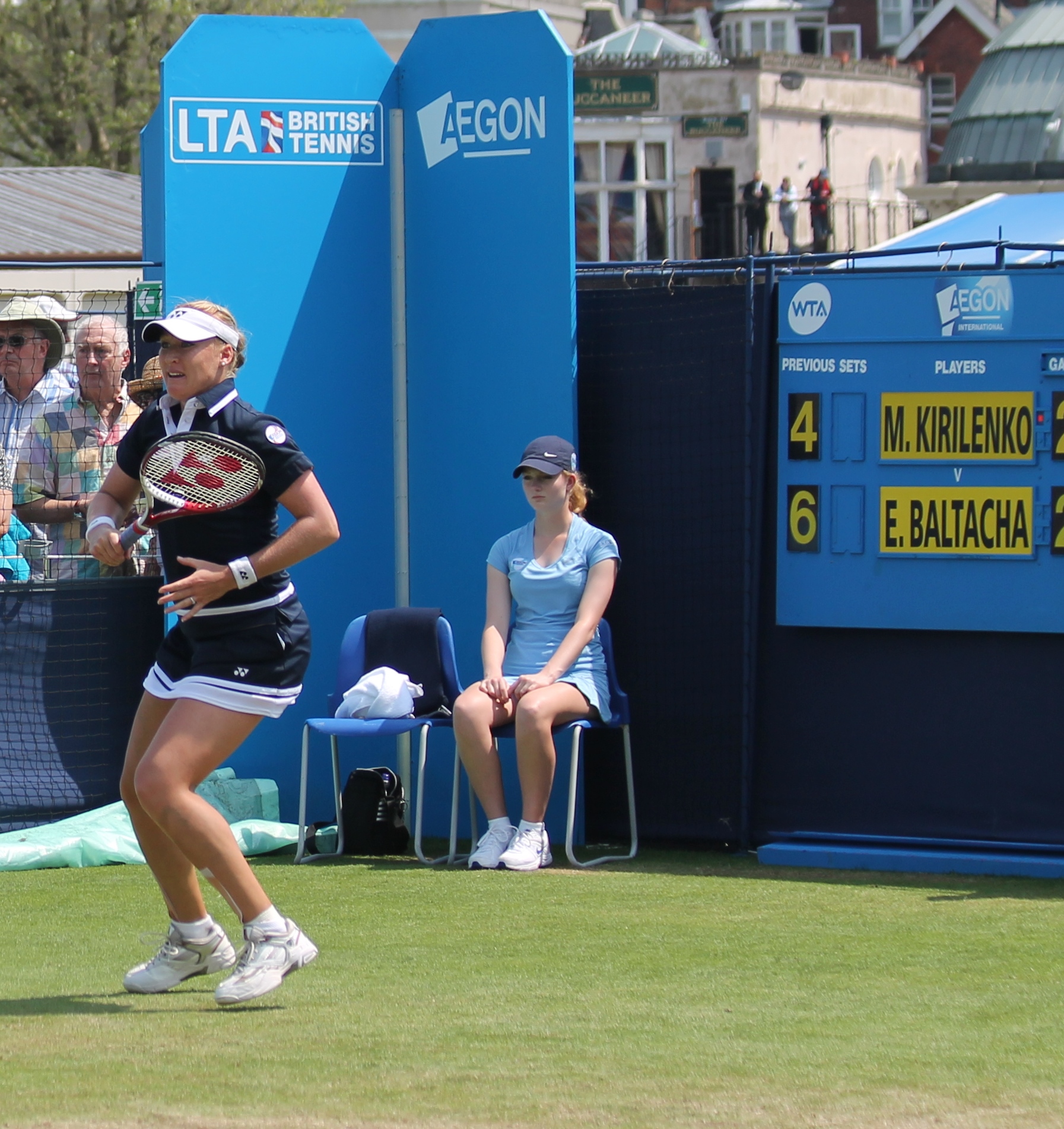
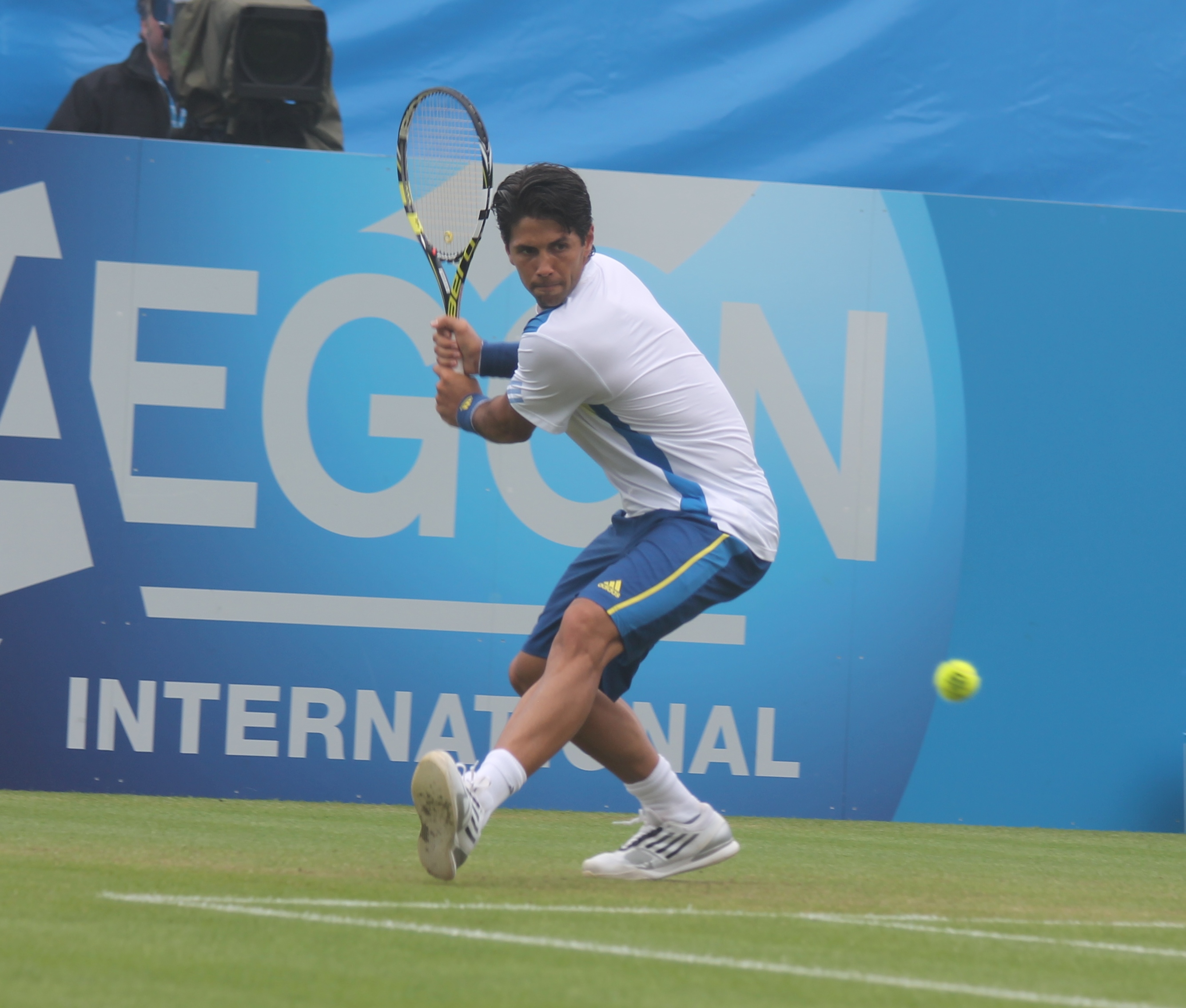
    Aegon International, Eastbourne, UK, 2014

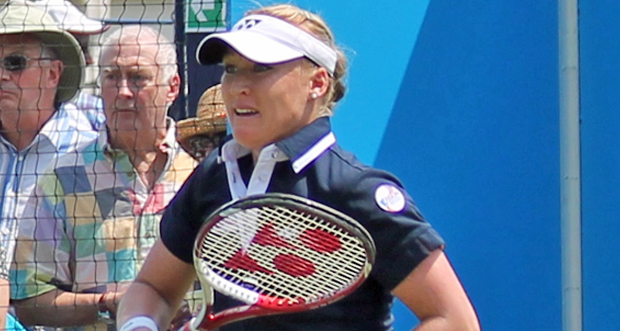
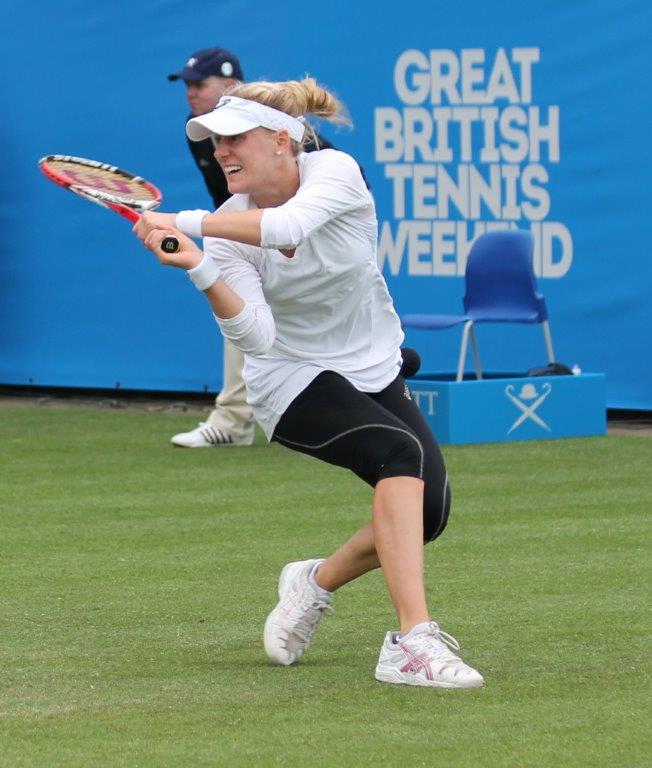
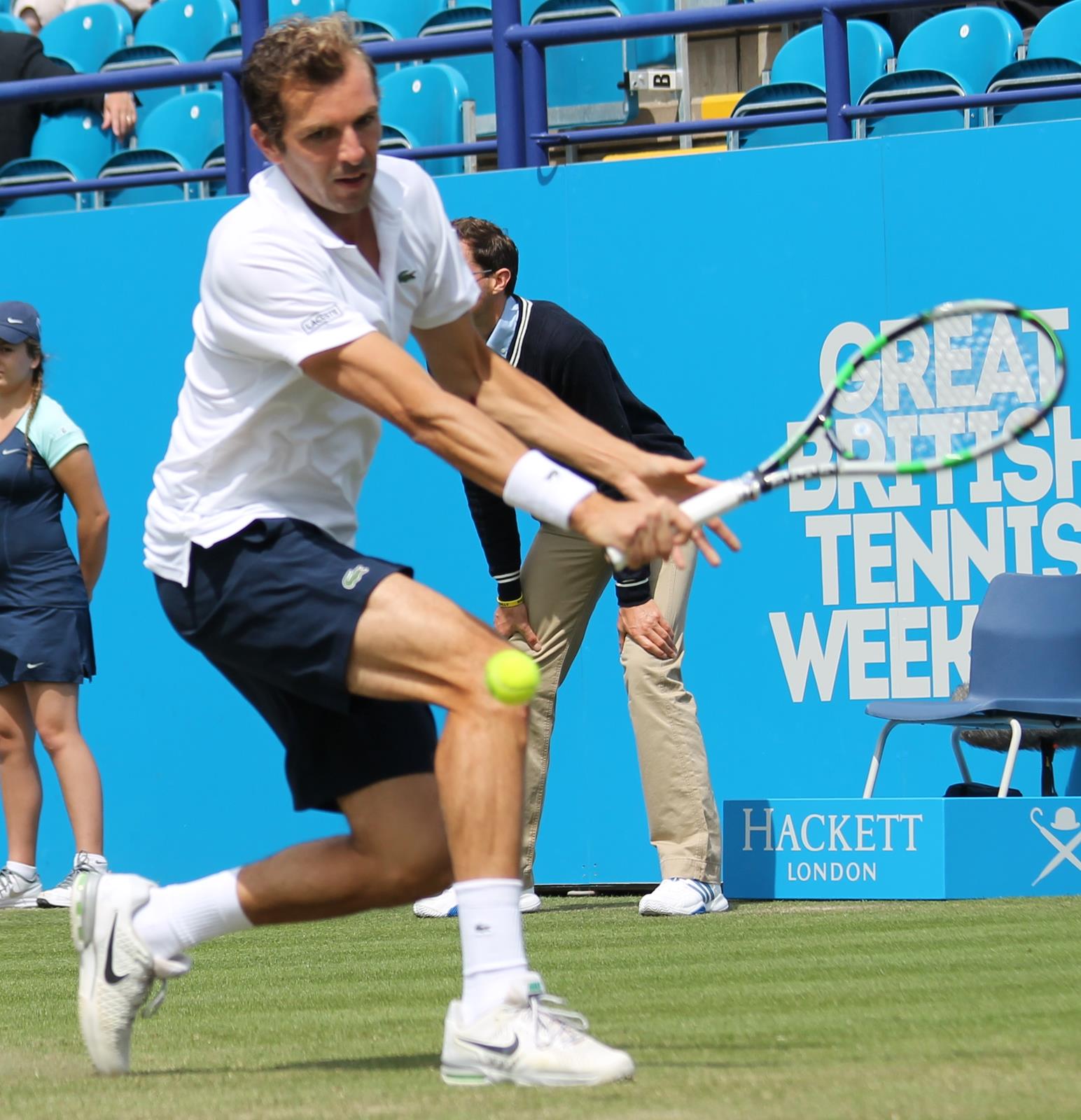
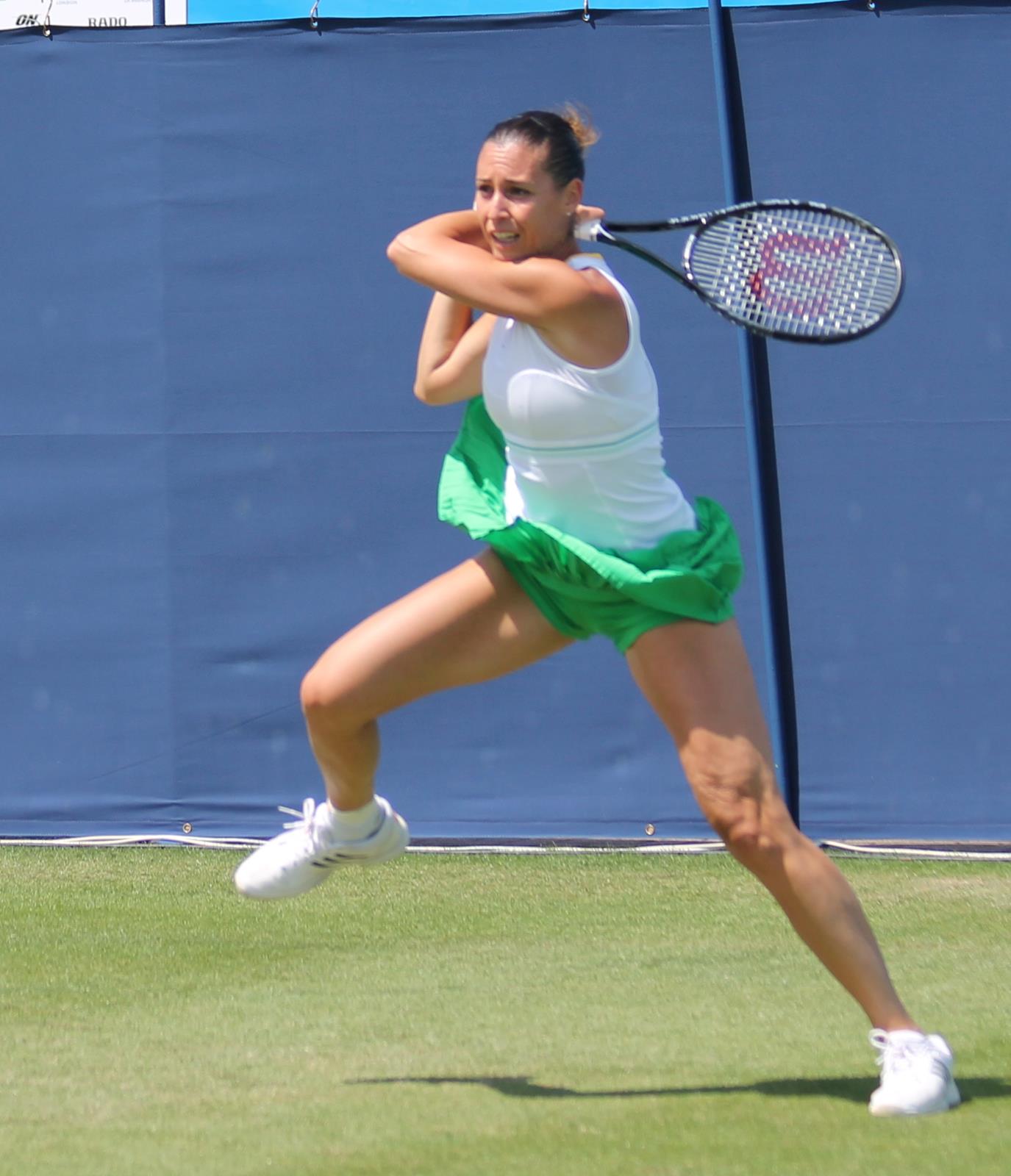
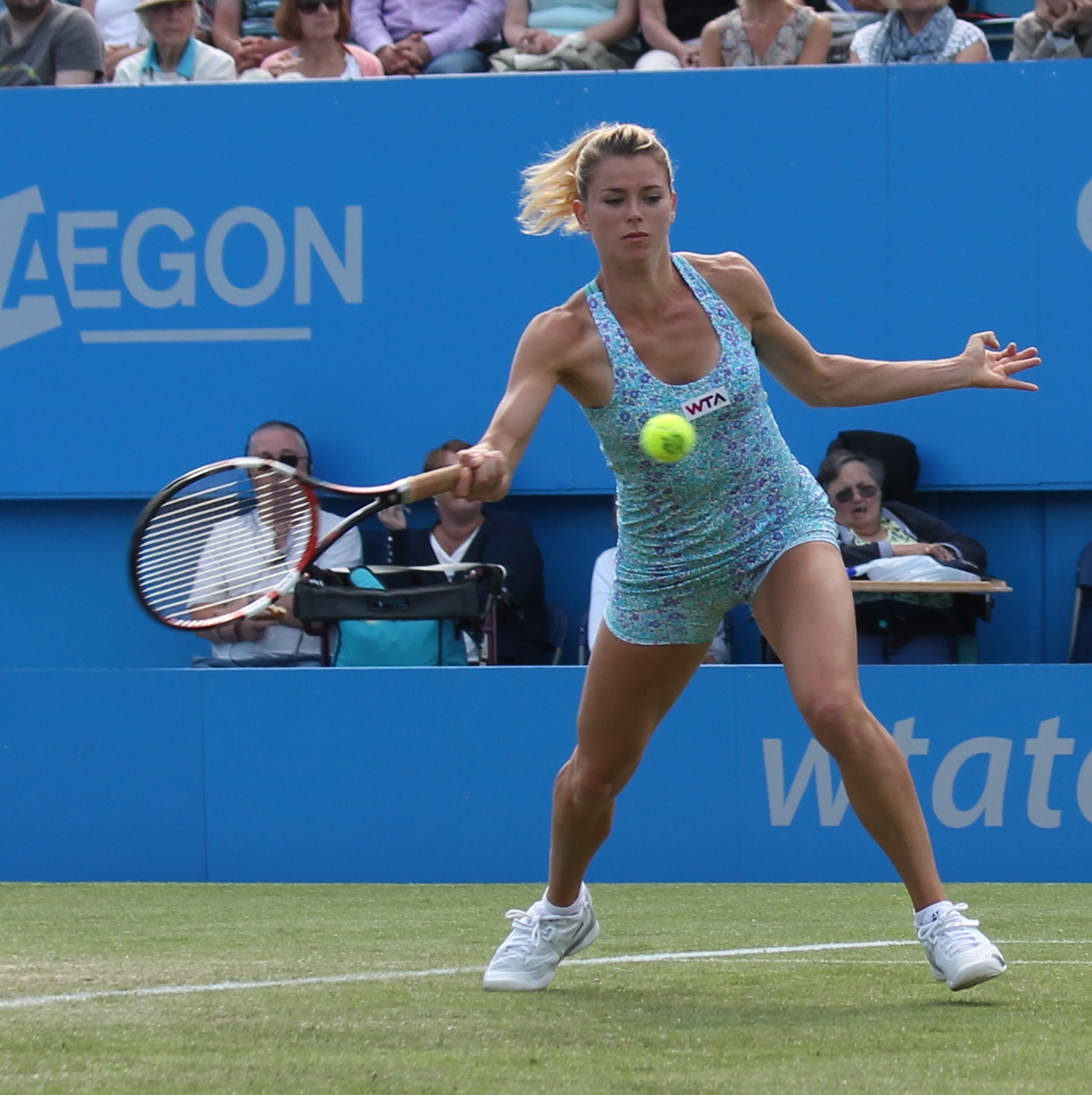
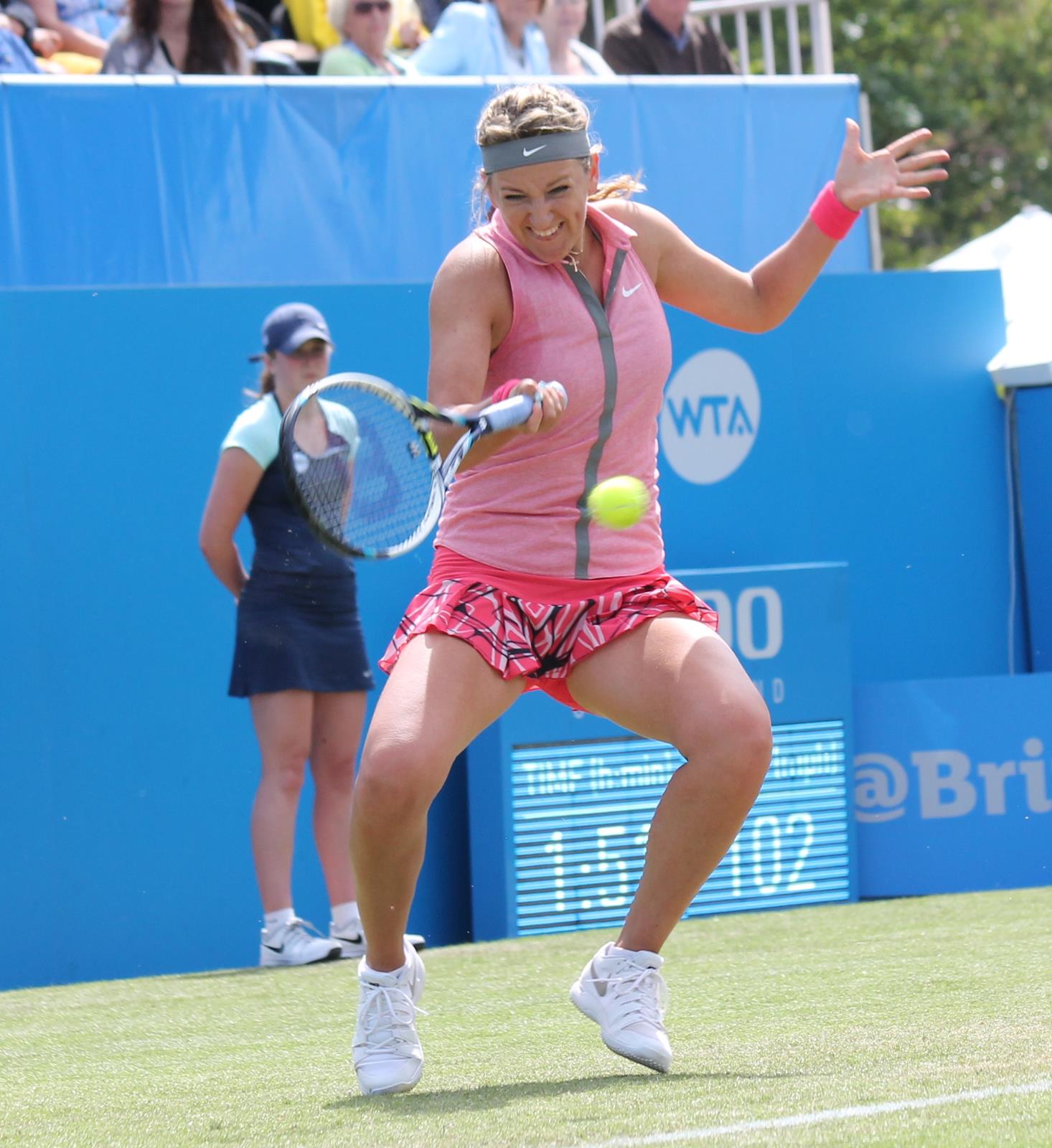
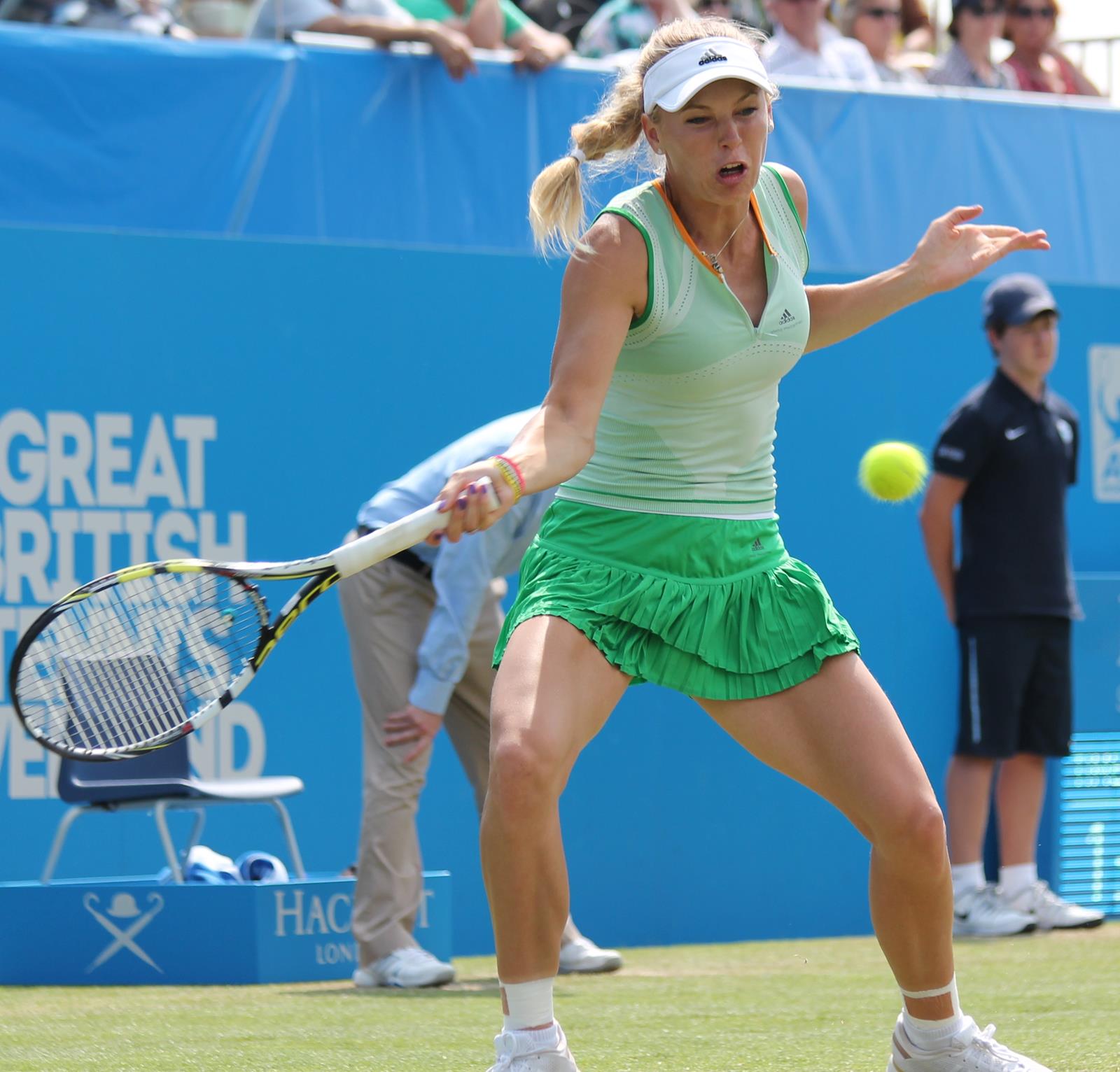
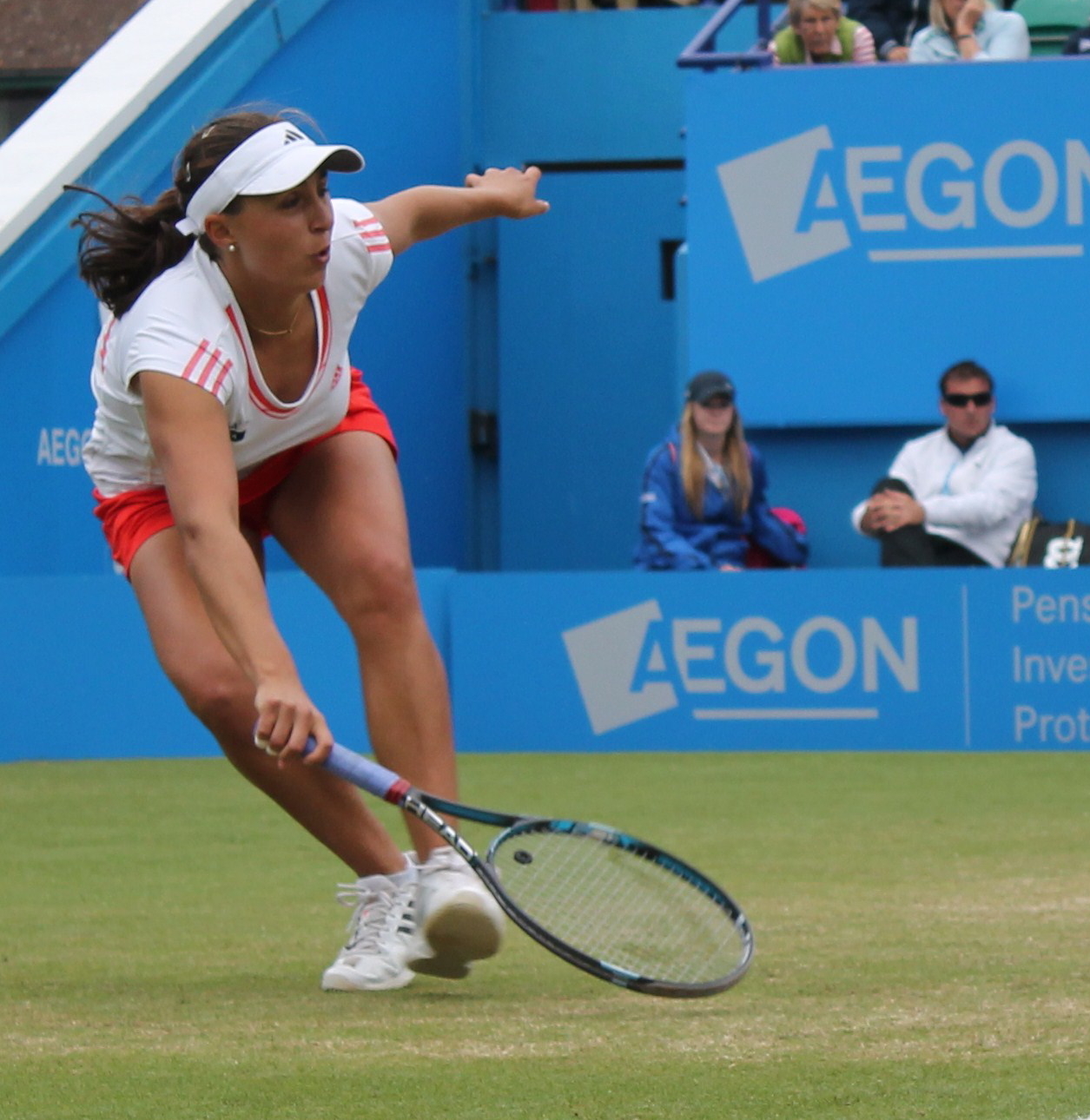
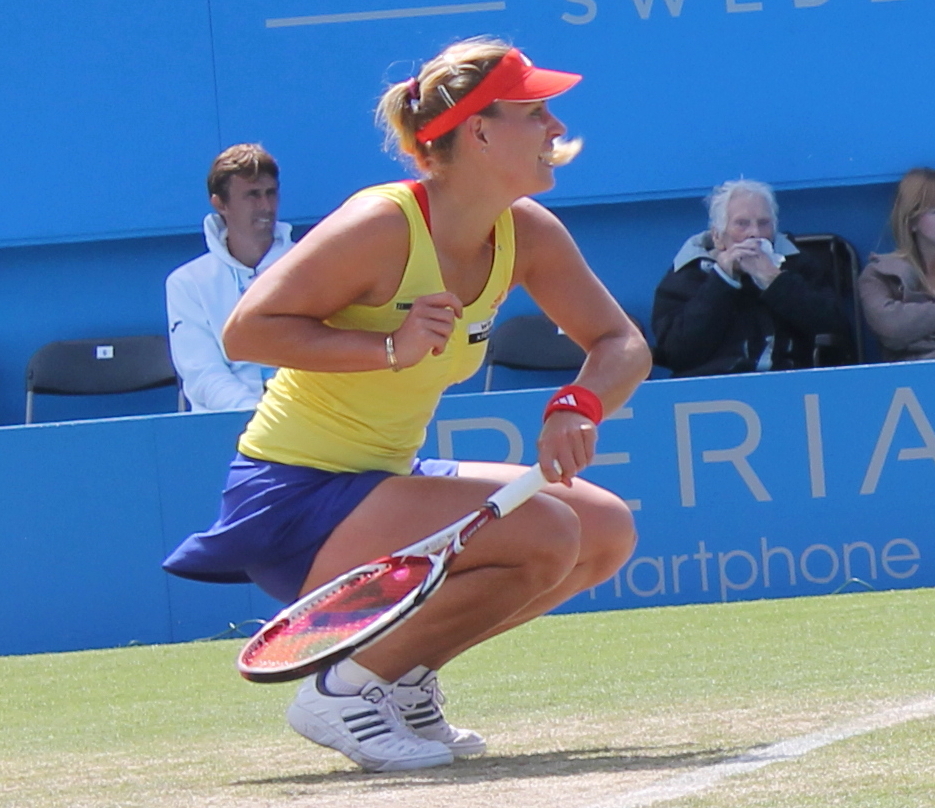
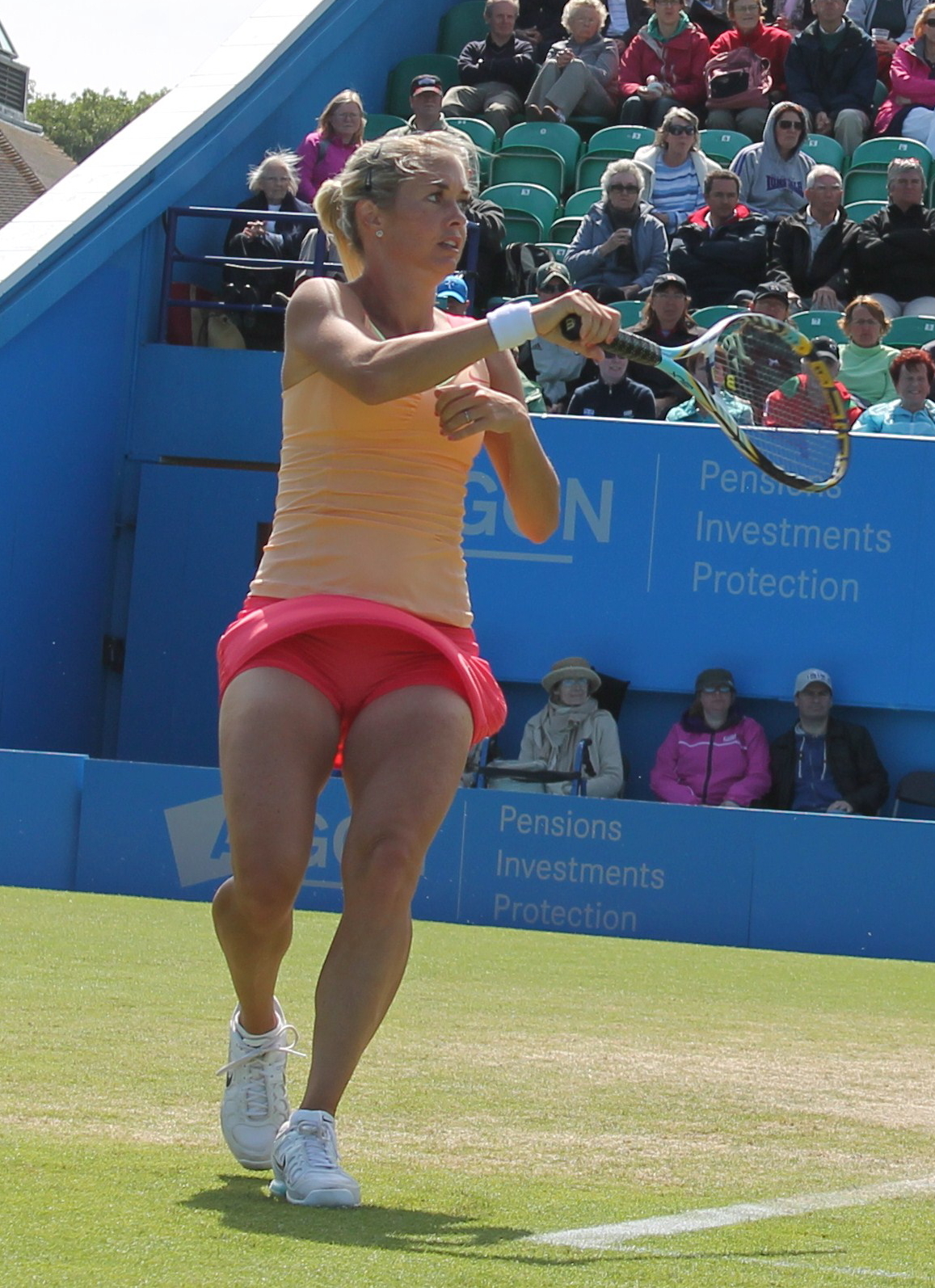
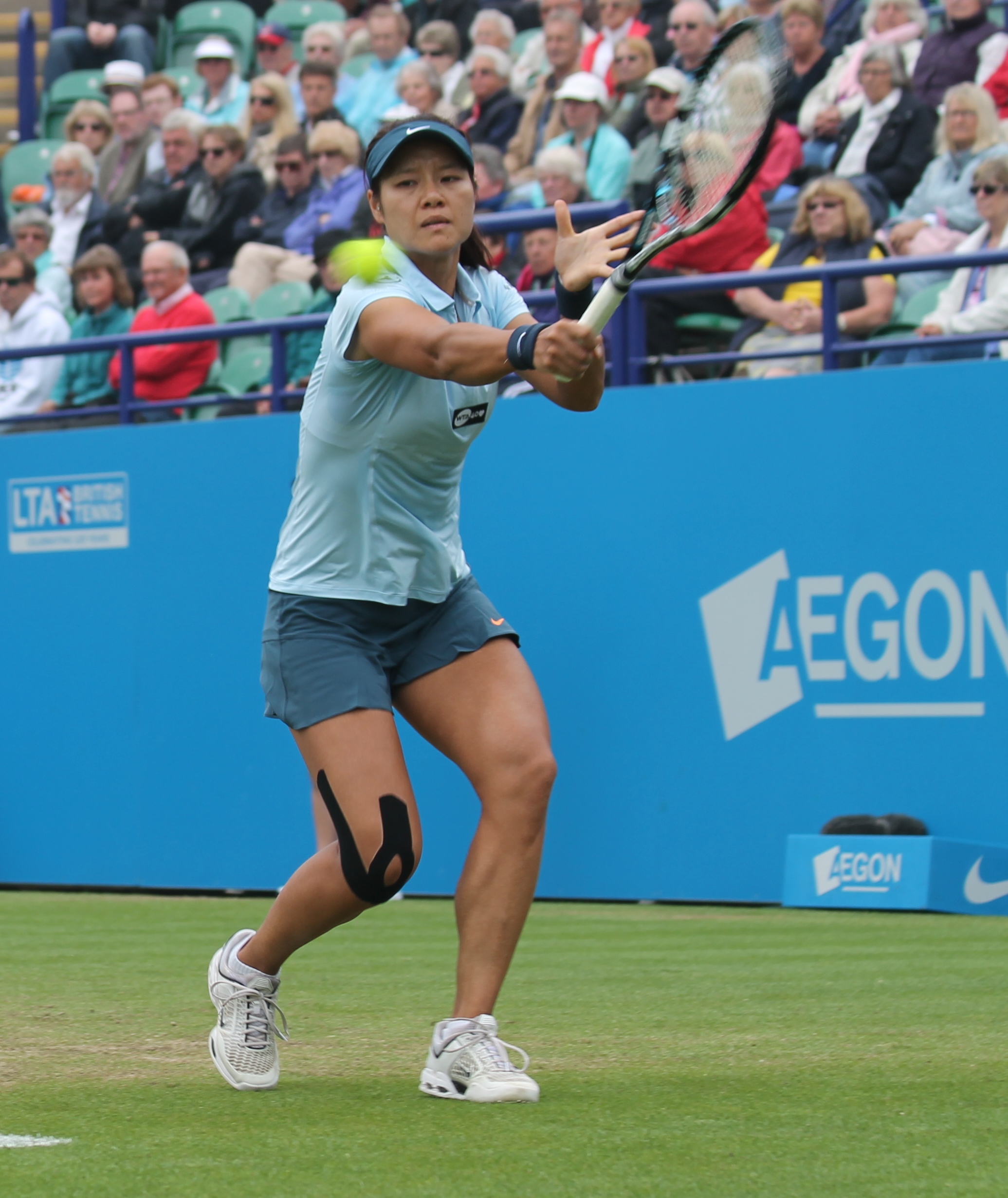
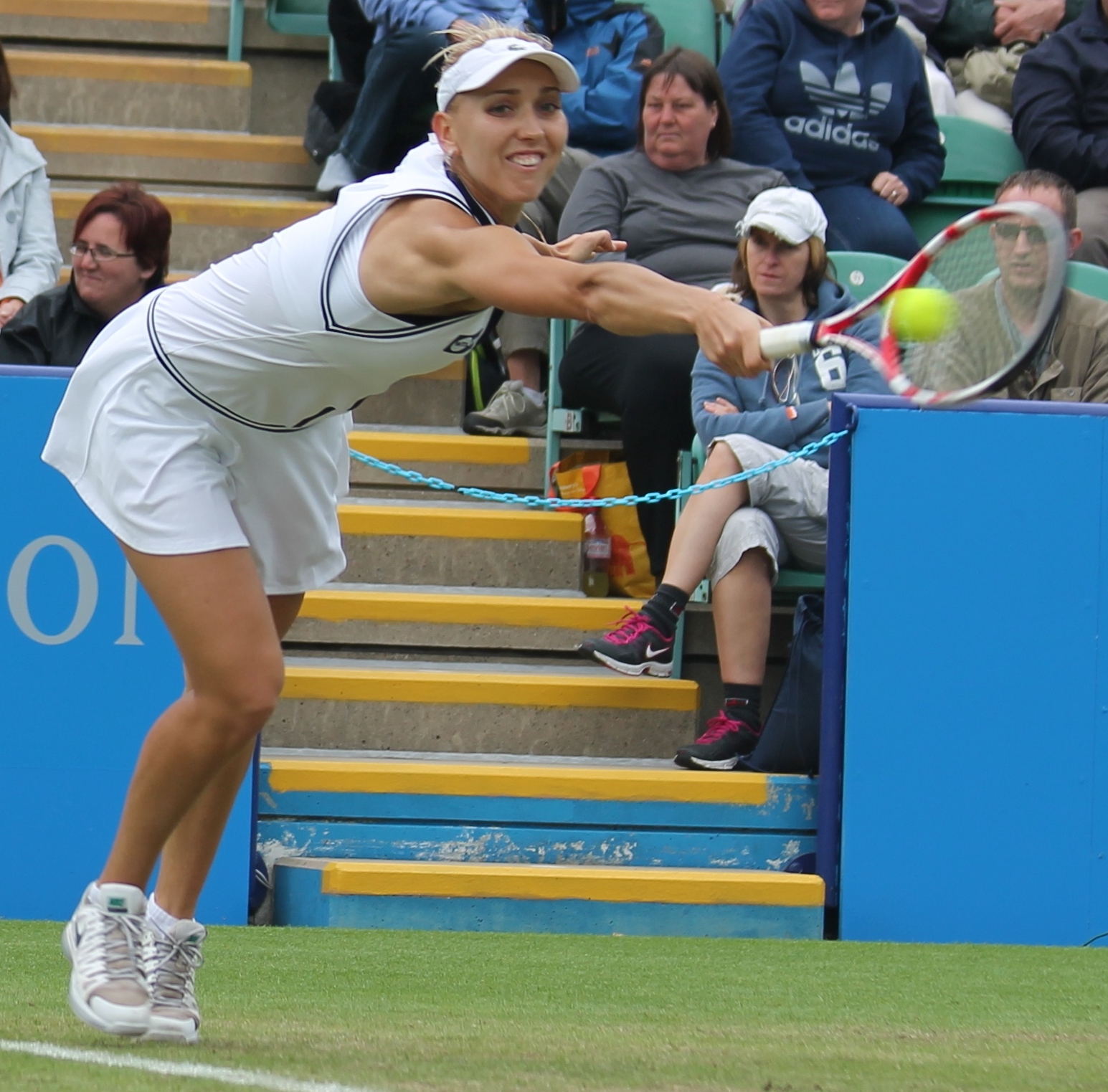
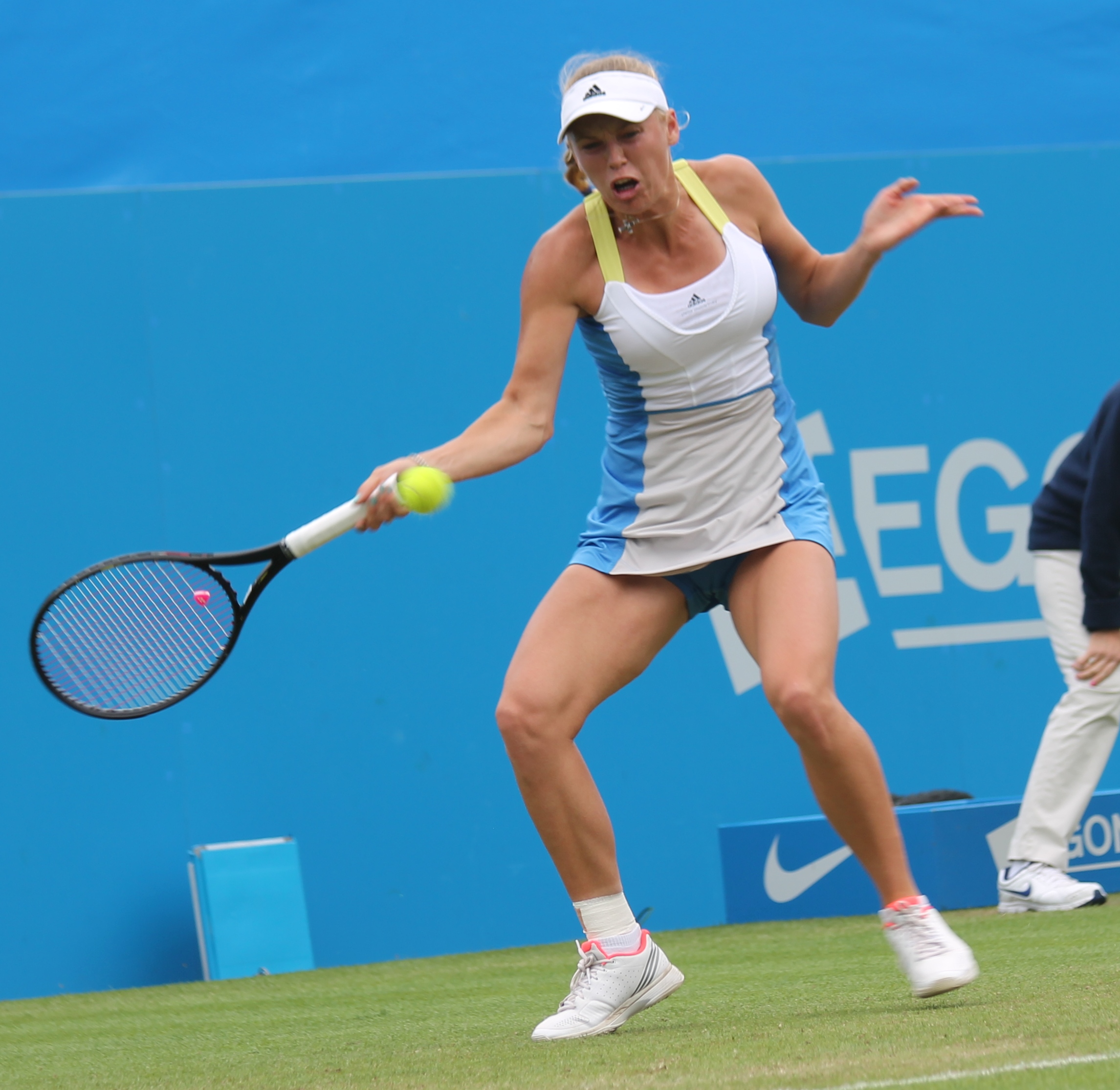
    Photos courtesy of Dave Rubenstein.

  • Johan Kriek on Progress and Regress in Tennis

    Johan Kriek on Progress and Regress in Tennis

    Junior tennis mentoring is very challenging even in the best of times. The kids’ brains are not yet fully developed, and we, as coaches, are trying to instill beliefs and knowledge that require high-level thinking. But it has to be done from an early age. I am going to touch on a subject that I think is important for coaches, kids, and parents to understand. Every kid is different, and some mature early and some not. Everyone is different!

    I just came back from a tournament and watched girls in my academy play in the 10′s, 12′s, 16′s, and 18′s. The older kids are definitely more polished in their thinking and execution of shots, but one fundamental fact remains across the board: the inability to read what is happening on the court, and the lack of know-how to take advantage of opportunities.

    I force my 12-year-old players to practice serve and volley in doubles. At least on first serves to learn the attacking game. I also make them do it on second serves in practice to learn to overcome fear of the return, etc. They are getting really good at it. At first it was pretty pathetic, but as they have become used to running forward and volleying off the deck, half volleys, high floaters, etc., they are not only learning to move forward into the court better, but they also play with better instincts already. It is all a process and it takes a couple of years from age 12 to get the hang of it.

    But here is what I saw happen this past weekend at a tournament. Three of my academy kids in the 12′s doubles served and volleyed ONLY once and when each of them lost that point they completely went back to the old ways – the entire tournament! All three missed the volley and shut down 100% the rest of the weekend. Went back to playing crosscourt singles in the hopes of the other player missing. One dimensional playing that got them some wins but IMHO not really furthering their tennis knowledge.

    That is NOT what we practiced! The concept of “process driven” vs. “result driven” is understood very well under a roof with a notebook in front of them but come a third-set tiebreak, and all I see is crosscourt singles play in doubles which is fruitless. One of the hardest things to instill in kids ages 12-14 is to become brave. It takes a certain determined player to risk more which is hard since they are not used to it because in the 10′s and a lot of the 12′s these runner/looper/defenders with nothing but groundstrokes and a loopy serve have been getting the best of them.

    But in the long run nearly all of the looper kids disappear from the semis and finals at ages 14 (second year) and the 16′s. I am not saying that a loop is a bad shot. It is by all means a great type of shot to reset a point if you were pulled way wide and back at the fence and to throw a kid off their power game but all I saw was hours of mind-numbing looping with parents cheering for mistakes after 25-30 ball rallies. As if that is just great play. It is really crap and we wonder what is happening to tennis.

    In order to get good at this game, one must be able to accept that to learn new techniques, new grips, new tactics, and to employ those tactics under severe stress is very difficult, and the chances you will lose that third-set tiebreak because you were not yet totally solid with the techniques or nervous to execute, etc. is very likely. You will lose quite a lot but if you stick to it, then in a couple of years you will be way ahead of kids that just sat back on the baseline and trench walked for years.

    To teach a kid not to fear failure but to accept it as part of learning the game the right way is very trying to say the least. We as a society value winning so much that parents, coaches, and players lose sight of the fact that tennis is not a short-term sport in terms of learning. It takes a long time, no matter how talented you are. I see kids coming off the court all jubilant that they have won. No clue that their tennis is actually barely O.K. in winning right now but their skill levels outside of “looping” are so poor in many that I can guarantee you, these kids will be out of tennis by age 16, frustrated and unable to compete with the all-court smart player.

    I am not saying that every kid needs to be an all-court player. All I am saying is that one needs to have skills in all facets of the game, no matter what tactic you employ but to only play from the baseline with almost zero skills in moving forward, proficient at the volley and overhead, not to mention “reading skills” on what type of shot is expected to come back, etc. For example, Nadal plays mostly from the baseline. His strength is his forehand and his mind. His backhand is excellent, too, but he uses it more as a “complimentary” shot. Besides that his serve is good but not super great like an Isner but he knows that he is great at the net even if he gets to the net six times in a match. All I see is baseline bashing and looping in junior tennis right now. Very little else.

    So in short, one may have to swallow many losses in order to get better. There is no progress without a certain amount of risk – period! I view top tennis juniors quite similar to the way the Navy SEALs approach their training. Many, many enlist and then the weeding out begins. Pretty soon out of thousands enlisted there are only 200 left, and at the end of training there are but a handful of truly super specimens left. Tennis is no different in its outcomes. There will be very few that make it at a high level. But it takes a lot more than just hitting a ball into that box than meets the eye. Accept that in order to learn, a player may very well be losing a lot, maybe for a few years even or more. But if you stick with a great coach, a great work ethic, and you believe you’re making progress, it will most likely come true.

    I was watching CBS’s 60 Minutes last night and saw the guy who founded the organization Robin Hood. What an amazing guy, and an incredible organization. He had a marvelous quote when the interviewer asked him about his initial failures even though all his intentions were there to do good: “Out of terrible failure a flame is ignited that forges the necessary steel to make the best sword.”

    He couldn’t be more right!

  • Johan Kriek on Confidence

    Johan Kriek on Confidence

    What is it and how does one become confident and keep it when competing in tennis?

    As a former Top 10 player now coaching kids in my academy in Charlotte, NC, from ages 6-24, I deal with this “factor” every day.

    We are all born with character traits. These are inherited from our parents and forebears. Some people just have “it”, whatever “it” is. I can quickly spot a kid who has confidence and a kid who does not. Kids who are always scared to try things will almost never excel as much or go as far as a kid who is open to learn and try things, even if they fail! Many times these kids will fail, but they learn quickly not to do the same mistakes and will excel again. So yes, in my opinion, certain character traits lend themselves to a better athlete, in any sport.

    The type of kids who sleep, eat, and drink his sport from a young age are the ones who excel the most and will risk more. They typically are very self-motivated, love the grind in practice, the long distance runs, the boring yet necessary practices at times to perfect a new grip, or learning a new stroke. It is a joy and a privilege to work with such kids.

    I teach my kids from my gut instincts, which has served me extremely well over my 24-year pro-career. I read up on the latest techniques, I watch tennis on TV constantly, or go to the major events often to stay current and see what the best in the world do. I talk to fellow coaches, I listen to what the top pros say and do during their practices on back courts at Wimbledon, the US Open, and many other venues I go to. This way, I am confident as a coach that I know what I am talking about when I coach the kids.

    To be a “complete tennis warrior” one has to check off a lot of boxes. These boxes are extremely important to check constantly. Here are some examples of boxes.

    Each stroke in tennis is a box. Each stroke has even subcategory boxes. Let me explain it this way with the serve as an example. I think most people would agree that the serve is the most important stroke in tennis. Arguably, those with the best serves in the game make it pretty easy for them to do well.

    I teach my boys and girls everything there is to know about the serve: toss positions, grips, racket-head speed, how and when to kick serve, slice serves out wide on the deuce court, flatter hard serves at the body, etc.; anticipation of the most likely return expected and how to act on it, etc.; how to “challenge” the returner with a type of serve; how to switch things up not just in speed, but in spin and positioning of the stance. So, just in this one box there are many things to technically get proficient at, but also, how to read what the returner does with whatever serve you throw at them. A second serve kick used as a first serve is a very good alternative to serving lots of second serves that can result in your opponent running around their backhand ripping forehand returns for winners or near winners all over the court!

    The same box is true for the forehand. Most top pros have big forehands now because the wrist is just stronger and better positioned to rip forehands. Most top pros “protect” the backhand side by standing left of center on the baseline for right-handers and right of center on the baseline for left-handers. They leave the forehand area as their favorite area to hit from and hope players will go there. Watch the court positions of Nadal, Federer, Murray, and Djokovic next time they serve. Even on the forehand side there are many sub-boxes one must check off if you have mastered that side. For instance, hitting big top-spins on the rise, hitting slices when the ball is extremely low, and running for drop shots to name but a few. I can go on and on about each stroke for many pages but for the sake of discussing the confidence issue here, I will leave it at what I just said.

    Only when a kid has mastered 100% of the strokes will he/she have a real possibility of achieving 100% confidence in his/her stroke production. If, for instance, a kid has not mastered how to move backwards after attacking the short ball, and gets lobbed over the backhand side and cannot hit a backhand angle overhead, or cannot control the ball off that side, then he or she may never have 100% confidence in approaching the net. So in my academy we practice shots you may sometimes never even use in a match, but what if you need the one-time backhand overhead to win on match point and you miss it because you never practiced it? That would stand out in your head as a big ol’ red flag constantly and will shy away from the net because now you are forgetting all the other good strokes you have between volleys and regular overheads, but instead you will focus on hoping they will not lob over the backhand side. That mindset is not instilling confidence.

    So yes, character trait is a good indication of confidence in many instances, but strokes are taught and that takes a long time to master. Once mastered, the mental aspect of this sport becomes more and more important, the older the kid becomes and the higher the ranking becomes. It makes absolutely no sense if a kid is taught all the shots and then is never taught how to use them, in what combinations, and how to freak the opponent out by “sneak attacks”, mixing up shots that are risky but can mean the difference between winning or losing against an equally good opponent.

    I find this aspect the most neglected area of junior tennis in America! Do not expect kids to acquire the mental edge they need by osmosis — by standing on a tennis court and hitting balls for eight hours a day. Mental IQ is taught. It is a must! One of the hardest things to teach great kids is for them to be able to “self-medicate” on the court. I see countless matches where a kid starts stomping, crying, cheating, and whatever else on the court, and it is all because they feel helpless. They look at mom and dad and the coach sitting there watching and pretty soon it all goes downhill.

    I teach my kids not to look for help. They still make mistakes quite often but over time when their maturity at age 15-18 sets in, they start to look like pros on the courts. No more looking around for help. They throw a towel over their head at changeovers and they think about what is happening and what to do to get out of trouble. They know what I expect them to do with their body language when they are serving for the match at 6-5 in the third set. They know what to do when they see a kid starting to chirp at him or herself after being quiet for over two hours. They know what I expect them to do when they play a cheater. They know what I want them to do when things are going badly for them. They are taught to THINK! I have been there many, many times on the biggest stages of tennis against the biggest and best of that era. I wish now I had somebody of my knowledge and experience to tell me what to expect from age 12 onward. I can only imagine which big matches and events I could have added to my career resume.

    Once an equilibrium is achieved with a kid in the technical, physical, tactical, and mental departments of their tennis development, the potential is limitless for this kid. Only then will I feel that true “confidence” is now achievable!

    It takes knowledge, a very willing participant, time and patience to create that confident kid. A confident kid is a kid with lots of knowledge. Experience just adds to their knowledge base.
  • Nadal Bombs Out in Barcelona

    Nadal Bombs Out in Barcelona

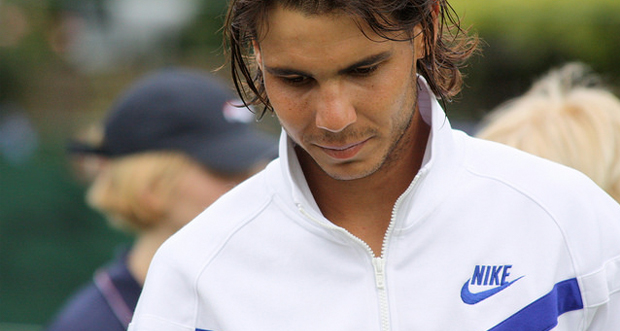
    Nadal

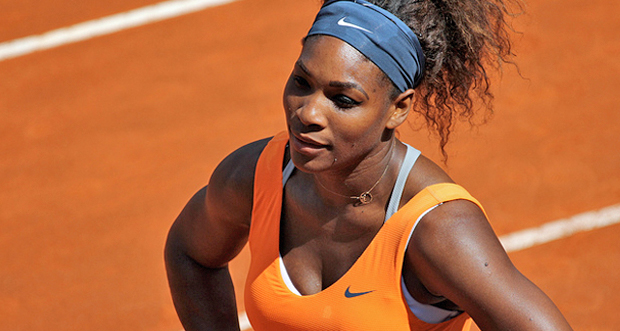
    After ten straight defeats at the hands of Rafael Nadal, Nicolas Almagro found his game and his nerve to beat the World No. 1 on the clay at the Conde de Godó in Barcelona, while Nadal continues to struggle with his form and confidence. Nadal broke Almagro in the first game of the first set, but was broken straight back. However, Rafa broke twice more to take the first comfortably, 6-2.

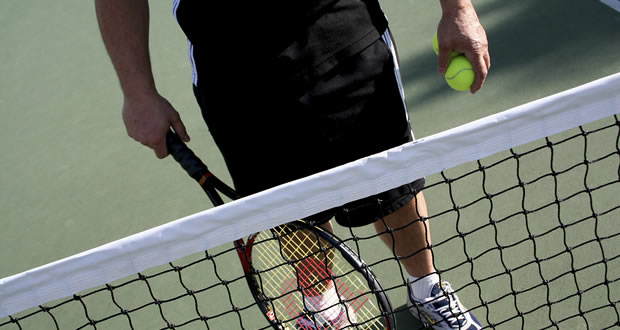
    In the second set, Nadal seemed to be finding his form, but failed to convert several break chances. In the tiebreak, it was Almagro who prevailed to take only his third set off Nadal in the history of their head-to-head.

    Rafa started strong in the third, going up 3-1, before Almagro won three consecutive games. Nadal broke back in the eighth game, evening things up at 4-4. It seemed he had regained control of the match, however Almagro immediately broke back at love, going up 5-4. Serving for the match, he quickly went down 15-40, but Nadal failed to convert both break points. The situation got tricky when Nadal saved the first match point, but a determined Almagro won it on his second, closing out the match 2-6, 7-6(5), 6-4.

    It was the World No. 1’s second clay-court loss in a week, following his defeat to Ferrer in Monte Carlo. It was the first time he has lost in Barcelona since 2003. After losing in the quarterfinals in two consecutive tournaments which he has won eight times each, many questions now surround his ability to defend Roland Garros.

    Cover Photo (Creative Commons License): Marianne Bevis

  • Tennis Frontier Celebrates One Year

    Tennis Frontier Celebrates One Year

    Anniversary White smallest

    On this day last year, 14 April, 2013, Tennis Frontier first hung out its shingle. We thought we’d wish ourselves a happy anniversary, and remind you how far we’ve come in just one year.

    Founding partners Owen Gigg, Trent Curtis, and Susan DePalma started the site as a way to keep a wandering tennis community together. In our maiden year, while we have been steadily adding to our growing list of Discussion Forum members, we have also become a lot more.

    Twitter, Facebook, Pinterest, LinkedIn, and Google+ social media channels have all been launched. Tennis Frontier now has two to three times as many Twitter followers as Forum members. We’re delighted that not only have we maintained such a loyal following amongst old friends, but have also added so many new voices to the conversation.

    According to Google Analytics, Tennis Frontier currently gets between 15,000 – 25,000 unique visitors a month, and between 130,000 and 200,000 page views — noteworthy growth since last April.

    Down The T”, one of our trademark blogs, has featured exclusive interviews with Major winners Johan Kriek and Michael Chang, plus Wimbledon finalist Chris Lewis. Participants have also included Andy Murray’s former coach, Ben Saunders, and the recently-retired Wimbledon finalist David Nalbandian.

    Coming soon will be another exclusive interview: tennis legend Margaret Court, winner of a record 24 singles Majors.

    In order to provide additional original content, we have also been adding to our blog roll.

    Our thanks to bloggers (in alphabetical order):  Brian Canever, Warren Casreo, Colin Chambers, Samer Kadi, Johan Kriek, Arienna Lee, Chris Lewis, Scoop Malinowski, John Masters, Jonathan Northrop, and Jesse Pentecost.

    We are also grateful to those who have contributed through their efforts as moderators.

    We’ve surprised even ourselves by how far we’ve come in just one year, but we’re even more excited about what the coming year will bring.

    Thank you for helping to make Tennis Frontier such a success.

  • Giants of Serve Do Battle at Delray Beach

    Giants of Serve Do Battle at Delray Beach

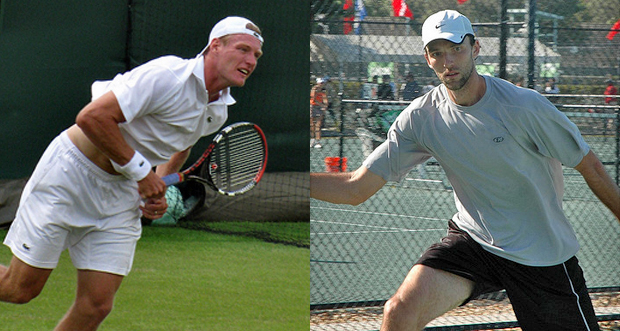
    Sam Groth Ivo Karlovic

    In a meeting between two of professional tennis’s giants of serve, Ivo Karlović, of Croatia, defeated the Australian Sam Groth 7-6(4), 6-3 in the first round of the Delray Beach Open.

    It was the first encounter between the two men, who stand 6 ft. 10 and 6 ft. 4, respectively. And it was probably the most unique of the first-round matches in Las Vegas, not only for the serve-and-volley style that both players employed, but for the fact that Groth was the first man to surpass the Croatian’s record for biggest serve in a professional tournament in 2012.

    Although the ATP doesn’t officially recognize serve speed records because of the diversity of radar equipment used on the tour, the Australian earned the unofficial honor at a Challenger event in Busan, South Korea, in 2012. In his second-round match against Uladzimir Ignatik, Groth blasted a 163.7 mph serve to break Karlović’s earlier record of 156 mph registered at the 2011 Davis Cup.

    Since then, the Croat’s prior record has been equaled or bested by two others. But it was that first record-breaker from Groth that was the more interesting because of the discourse that ensued. Legendary former player and coach Paul Annacone jumped in, saying, “I can’t believe it. I’ve seen Groth play. I haven’t seen him play in a year, but I’ve seen him. It’s got to be the radar gun.” Fellow big server Milos Raonic added that readings do vary depending on the tournament and location, though in the end he believed players cared little about the actual figures.

    Interestingly enough, the technology used at the Busan tournament, FlightScope, is the same implemented at many ATP World Tour events. A representative from the company verified that the reading was accurate.

    In Grand Slam tournaments, IBM provides the radar guns used to measure serve speed. For those who doubted Groth’s big serve potential because of his status in the second-tier of pro tennis, he actually recorded the fastest serve in Australian Open history this year with a 145.4 shot against Vasek Pospisil. Across the Slams, only two serves have been faster: Andy Roddick, 2004 US Open, 152 mph; Taylor Dent, 2010 Wimbledon, 148 mph.

    While it’s easy to get lost in the numbers, suffice it to say that both Karlović and Groth are some of the biggest servers in the game. To some extent, they are also breaths of fresh air with their willingness to come to the net and volley rather than hug the baseline like most modern-day pros.

    The Australian is certainly the more athletic, though both are enjoying very good starts to the year. Groth reached as high as world No. 157 in January after years outside the Top 200. At 34 years old, Karlović reached the final in Memphis last week, however he did retire after only one game today, while playing fellow giant Kevin Anderson of South Africa.

  • Cilic Defeats Haas to Win in Zagreb

    Cilic Defeats Haas to Win in Zagreb

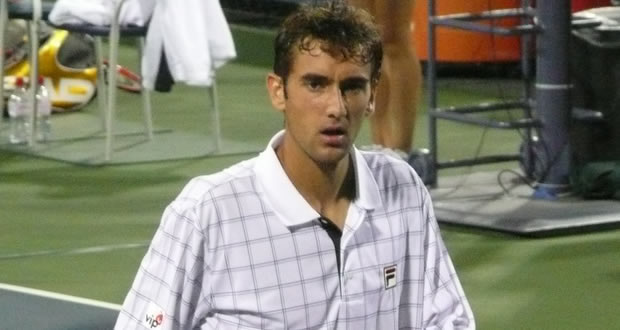
    Marin Cilic

    Croat Marin Cilic won his fourth Zagreb title defeating top seed Tommy Haas 6-3, 6-4.

    Cilic got off to a slow start and was broken in the opening game by the 35-year-old Haas before recovering to take five of the next six games to seize control of the opening set. Haas was unable to recover and the remainder of the set played out to serve with Cilic taking it 6-3.

    The second set was closely contested with Haas having an opportunity to break for a 4-2 lead. He wasn’t able to capitalize and Cilic fought back by holding serve and then broke Haas to jump out to a 5-3 lead.

    Haas did manage to save one match point but Cilic brought proceedings to an end at the second attempt.

    The victory gave Cilic his tenth career title and first since returning from a drug suspension.

    [divider]

    Cover Photo: angela n (Creative Commons License)